
2.7 Informatics / Natural Science: AI for a Real School Problem
Can AI Help Us Sort Waste at School?
Subject: HistoryInformatics/Natural GradeScience · Target Group: 7 (age 13–14) · Duration: 1 double lesson · AI: Learning WITH AI
| AI-related competencies (DUAL.AI.TEACHer Framework) – teacher level | Subject-specific learning objectives – student/learner level |
|
AF-TL-2b (AI foundations and applications × Teaching & Learning, Level 2 – Reflective Implementation):
“Teachers
AF-FC-2b (AI foundations and applications × Facilitating Learners’ (AI) Digital Competence, Level 2 – Reflective Implementation):
“Teachers can |
By the end of the lesson,
|
Take-home message:
WhatAIiscanshownhelpiswith real-life problems, but it does notnecessarilyautomatically understand whathappened.itHistoricalsees.reconstructionsItcombinelearnsevidence,fromreasonableexamplesinferenceprovided by people, andspeculation.itsUnderstandingresultsthemustpastthereforemeansberecognising the difference between what we know from sources, what we can reasonably conclude,tested andwhat has been imagined to fill the gaps and to tell a better story.evaluated.
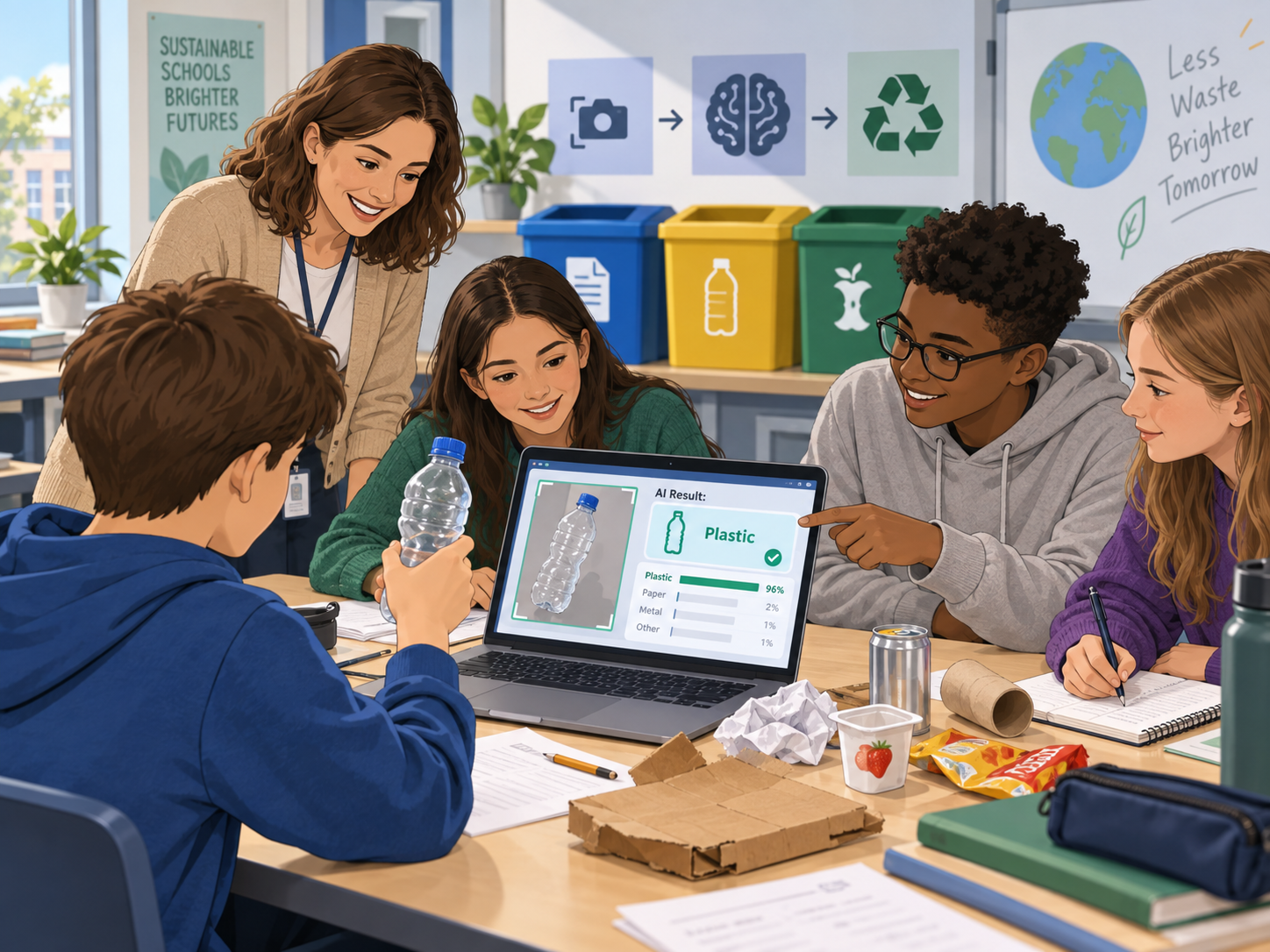
Fig 1. Image generated with ChatGPT (GPT Image 2), September 2,7, 2026.
Content
HistoriansWaste cannotsorting directlyis observean everyday lifeissue in many schools. Students use paper, plastic bottles, food packaging and other materials every day, but these items do not always end up in the Middlecorrect Ages.recycling Instead, they reconstruct it from traces that people left behind: written documents, buildings, objects, images, archaeological finds and other evidence. Different sources answer different questions. A trade record may reveal what goods entered a city, while an archaeological object may tell us something about what people owned or used. Neither source alone can recreate an entire day in someone's life. bin.
MedievalThis Rigafamiliar situation provides a usefulsimple caseway study.to Rigaexplore developedhow rapidlyartificial afterintelligence works. Students investigate whether an AI system could recognise an object and recommend which recycling bin it belongs in.
During the beginningactivity, ofstudents create a basic image-classification model with categories such as paper, plastic and other waste. They provide the 13thAI centurywith several examples, train the model and becamethen test it with new objects.
The activity demonstrates an important centreprinciple connectingof trademachine betweenlearning: westernthe Europe,AI Livonialearns andpatterns lands further east. Byfrom the late 13th century,examples it hadreceives. become a major Hanseatic trading city. Trade and crafts supportedIf the growthexamples ofare merchanttoo andsimilar, craftincomplete organisationsor suchpoorly as guilds.
Modern media can makeselected, the past feel much more complete than the surviving evidence actually allows. AI-generated history content such as Chloe VS History, for example, presents vivid “time-travel” scenes in which viewers appear to visit historical settings such as London during the Black Death. Clothing, streets, buildings, people and everyday activities are presented as if they were being directly observed. Yet these scenes are reconstructions: some detailsmodel may beproduce basedunexpected on historical evidence, some may be reasonable inferences, and others may be speculative or inaccurate.
The same issue appears in historical films. A Knight's Tale creates a recognisably medieval world through armour, tournaments, clothing, architecture and social roles, while also deliberately introducing modern music, language and behaviour. It therefore provides a useful reminder that something can look convincingly historical without representing exactly what happened.
Generative AI works in a similar way. It can combine fragments of historical evidence into a coherent reconstruction of a day in medieval Riga, but it may also fill gaps with details that were never present in the sources. Some additions may be historically plausible; others may belong to another region, century or social group.
results.
Students therefore do more than simply create a working model. They deliberately test it with difficult examples, investigate its mistakes and try to improve it. For example, they may discover that a crushed plastic bottle is classified differently from a normal bottle, or that the background of an image affects the result.
The lesson connects a basic AI concept with a real school situation. At the same time, it encourages students to think critically about reliability and human responsibility: even if an AI system gives a recommendation, people still need to distinguishdecide between three levels of certainty: Evidence – what historical sources directly support. Inference – what can reasonably be concluded from that evidence. Speculation – what has been imagined to fillwhether the gaps.result makes sense.
Lesson plan
| Phase | Time | Activity |
| Hook | 10 min | |
| Input | 10 min | |
| Exploration | ||
| Adaptation 1 | 20 min | |
| Adaptation 2 | 20 min | |
| Reflection | Students |
Guiding questions: from AI outputexperiment to classroom-readyreal-life activityapplication
- Hook
—–ShowCouldapproximatelyAI30-60decidesecondswhereofourChloewasteVS History (TikTok/Youtube) AI-generated visit to London during the Black Death 1348:belongs?
Discussionquestion:The
"Whatteachermakesshowsthisseverallookcommonlikeobjects, for example:- a sheet of paper,
- a plastic bottle,
Students first decide themselves where each object should go.
Then ask:
Introduce the problem:challenge:
Create doan weAI actually knowmodel that thesecan detailshelp arestudents historicallydecide accurate?"which Keyrecycling principlebin forto thisuse.
-
ProvideThestatementsteacheraboutdemonstrates a simple image-classification tool.Three categories can be created:
Paper – Plastic – Other
Explain that the
objectmodelthatdoesneednot receive a definition such as:“Plastic is a material made from polymers.”
Instead, it receives examples and tries to
beidentifycategorizedpatterns.intoAsk
categories - evidence, inference, speculation. Example:students:- If
understand all types of plastic?AweboneshowcombthewasAIdiscoveredonlyinplasticmedievalbottles,Rigawill-itevidence - How
SomemanyinhabitantsexamplesofmightRigaitused combs - inference - Should
Theallownerphotoscombed their hair before going tolook themarketsame?
every - If
- What
morningmight-happenspeculationif all paper objects are photographed on a white desk?
Key idea: The examples we provide influence what the AI learns.
Exploration4 different sources about medieval Riga.
A) Riga as a Hanseatic trading city. Text from museum ofBuild the Historyfirst of Riga and Navigation, “Riga as Part of Livonia (13th–16th cent.)”
B) Archaeological evidence of Hanseatic trade. Pictures from the museum of the History of Riga and Navigation, “Archaeological Evidence of the Hansa Trade in Riga.”
C) List of imports and exports from Riga. Trade information from museum of the History of Riga and Navigation, “Archaeological Evidence of the Hansa Trade in Riga.”
D) Riga's 1293 building regulations that restricted the construction of wooden houses after a fire outbreak.
Students fillwork outin asmall worksheetgroups.
Each group collects or uses prepared examples for the three categories.
For example:
Paper
Plastic
Other
Students train their first model.
They then test several easy examples.
For each sourcetest bythey answeringrecord:
Object → Expected result → AI result → Correct / Incorrect
At this stage, the followinggoal question about each source: What do we know? What can we reasonably infer? What do we stillis not know?to achieve perfect accuracy. Students should first understand how the system behaves.
PrompStudents thatnow istest usedthe bysystem students:with Usingmore onlydifficult Sourcesexamples.
For andexample:
Ask:
Students annotateidentify one weakness in their model.
Each group makes one or more changes.
For example:
- add
more examples;Evidence - use
types of paper or plastic;Reasonabledifferentinference - photograph
several angles;Unsupportedobjects/fromspeculation
Students
They identifycompare:
Version 1 → Version 2 Find:
one detail that became more precise;
one detail AI removed;
one new detail supported by evidence;
one detail that still needs questioning.
Show a short classroom-appropriate scene or still from A Knight's Tale (2001)
Discussion question:Ask:
Based onDid thekeymodelprinciples from this lesson, what stands out as evidence, inference, speculation.If filmmakersWhich changehistoricalhelped?
Reflection - Would we really use this AI at school?
FinalIntroduce individuala reflection:hypothetical situation:
The school wants to install a camera next to the recycling bins. Students show an object to the camera and the AI recommends which bin to use.
Students decide whether they would recommend the idea.
Discuss:
Students complete:
- Our
SomethingAIcanworkedlookwellhistorically convincing when... - Our AI had problems when…
A historical film can invent or change details, but..
Final reflection question:
When an AI system gives a recommendation, who should decide whether that recommendation is good enough to use?
Materials
-
Projector/ - Computer or tablet for each group
Chloe VS History medieval AI video for the hook.
Imageprepared table for comparing Version 1 and Version 2 of athe medieval bone comb from Riga.
Evidence–Inference–Speculationis minimuch worksheet.
Medievalexact Riga Source Pack: Hanseatic trade text, picturesstructure of archaeologicalthe finds,History: imports/exportsReconstruction list,of 1293the buildingPast regulations.
Source-analysisthe worksheet.
Studentcompetence devices with access to an approved generative AI tool.
AI prompttable and comparisontake-home worksheetsmessage, forfollowed Roundsby 1a relatively concise Content section, a six-phase lesson plan, detailed implementation under Guiding questions, and 2.
Short clip or still from A Knight’s Tale (2001) for reflection.