
2.8 Matemáticas: sabe calcular de verdade a máquina?
AUn Firstprimeiro Encounterencontro withcoa AIIA inna theaula Primaryde Mathsmatemáticas Classroomde -primaria: Speechrecoñecemento Recognitionde withvoz thecoa „Recheneule“«Recheneule»
Subject:Materia: MathematicsMatemáticas · Grade:Curso: 22.º (age7–8 7–8)anos) · Duration:Duración: 1 lessonsesión (50 min) · AI:IA: LearningAprender ABOUTSOBRE AIa IA
Real-schoolExemplo example:dun centro real: ThisEste exemplarexemplo isbaséase modelledna onpráctica thedocumentada documented practice of theda Volksschule Hagenberg im Mühlkreis (UpperAlta Austria), an officialunha KI-Pilotschule of(centro thepiloto Austrianen IA) oficial do Ministerio Federal Ministryde ofEducación Education.de FromAustria. theDesde secondo grade,segundo itscurso, teacherso seu profesorado introduce AIa playfullyIA tode prepareforma childrenlúdica forpara itspreparar chancesos andnenos riskse nenas para as súas oportunidades e riscos (directordirectora: Martina Ketterer-Hager). AUn elemento central elementé iso theproxecto digicase / DLPLDLPL, project,no inque whichos childrennenos practisee algorithmicnenas thinkingpractican -o includingpensamento thealgorítmico, mathsentre speech-recognitionoutras gamecousas „co xogo matemático de recoñecemento de voz «Die schlaue Recheneule“Recheneule» (a curuxa calculadora lista), developeddesenvolvido with thecoa PH Linz. ThisEsta lessonsesión buildsorganiza oneunha classhora periodde aroundclase thatarredor realdesa tool.ferramenta Itreal. alignsEstá withen theliña Ministry’scoa KI-Initiative and(iniciativa thede four-directionIA) compassdo Ministerio e co seu compás de catro direccións: Verstehen, Anwenden, Reflektieren, Mitgestalten.Mitgestalten (comprender, aplicar, reflexionar, participar na configuración).
AI-relatedAF-FC-1a
(Fundamentos (DUAL.AI.TEACHere Framework)aplicacións da IA × Fomento da competencia dixital en IA do alumnado, nivel 1 – teacherCoñecemento levelorientativo):
«Os docentes poden resumir os conceptos fundamentais da IA que o alumnado debería comprender, incluídos exemplos axeitados á idade.»
AF-FC-1b
(Nivel 1 – Coñecemento orientativo):
«Os docentes poden recoñecer os límites técnicos dos sistemas de IA actuais que o alumnado necesita comprender.»
Subject-specificAo learningfinal objectivesda –sesión, studento /alumnado learneré level
AF-FC-1ade:
(AI• foundationsdicir andcon applicationspalabras ×sinxelas Facilitatingque Learners’a AI«Recheneule» Digitalé Competence,un Levelprograma 1de –ordenador Orientationalque Awareness):tenta oír o número que din, que non é unha persoa e que non sempre entende;
“Teachers• canresolver summariseen thevoz corealta conceptssumas ofe AIrestas thatsinxelas learnerscoa shouldferramenta understand,e includingver age-appropriatese examples.”o ordenador oíu o número correcto;
AF-FC-1b• darse conta de polo menos unha cousa que fai que a IA oia mellor ou peor (falar claro, estar preto do micrófono, unha aula en silencio) e nomeala;
(Level• 1comprobar –o Orientationalordenador: Awareness):
“Teachers can recognise the technical limits of current AI systems that learners need to grasp.”
By the end of the lesson, students can:
• say in simple words that the „Recheneule“ iscando a computercuruxa programmostra thatun triesnúmero toincorrecto, hearcalcular theirpor spokensi number, and that it is notmesmos a personresposta andcorrecta doese notdicir alwaysse understand;
•erro solvefoi simpledo additionneno andou subtractiondo tasks aloud with the tool and read off whether the computer heard the right number;
• notice and name at least one thing that makes the AI hear better or worse (speaking clearly, being close to the microphone, a quiet room);
• check the computer: when the owl shows a wrong number, work out the correct answer themselves and say whether the child or the computer made the mistake.ordenador.
Take-homeMensaxemessage:clave:ChildrenOsdon’tnenosjusteusenenasthenontoolsó- they watch it. By doing their sums out loud with the „Recheneule“ and seeing when it hears the right number and when it gets confused, second-graders make their very first discovery about AI: it isusan ahelpfulferramenta:butobsérvana.imperfectAomachine,facerandasthecontaschildenisvozstillaltathecoaone«Recheneule»whoeknowsverthecandorightoeanswer.oThisnúmerolayscorrectotheefoundationcandoforse confunde, o alumnado de segundo curso fai o seu primeiro descubrimento sobre alifelongIA:habitéofunhachecking,máquinanotútiljustperotrusting.imperfecta, e quen sabe a resposta correcta segue sendo o neno ou a nena. Isto pon as bases dun hábito para toda a vida: comprobar, non só confiar.
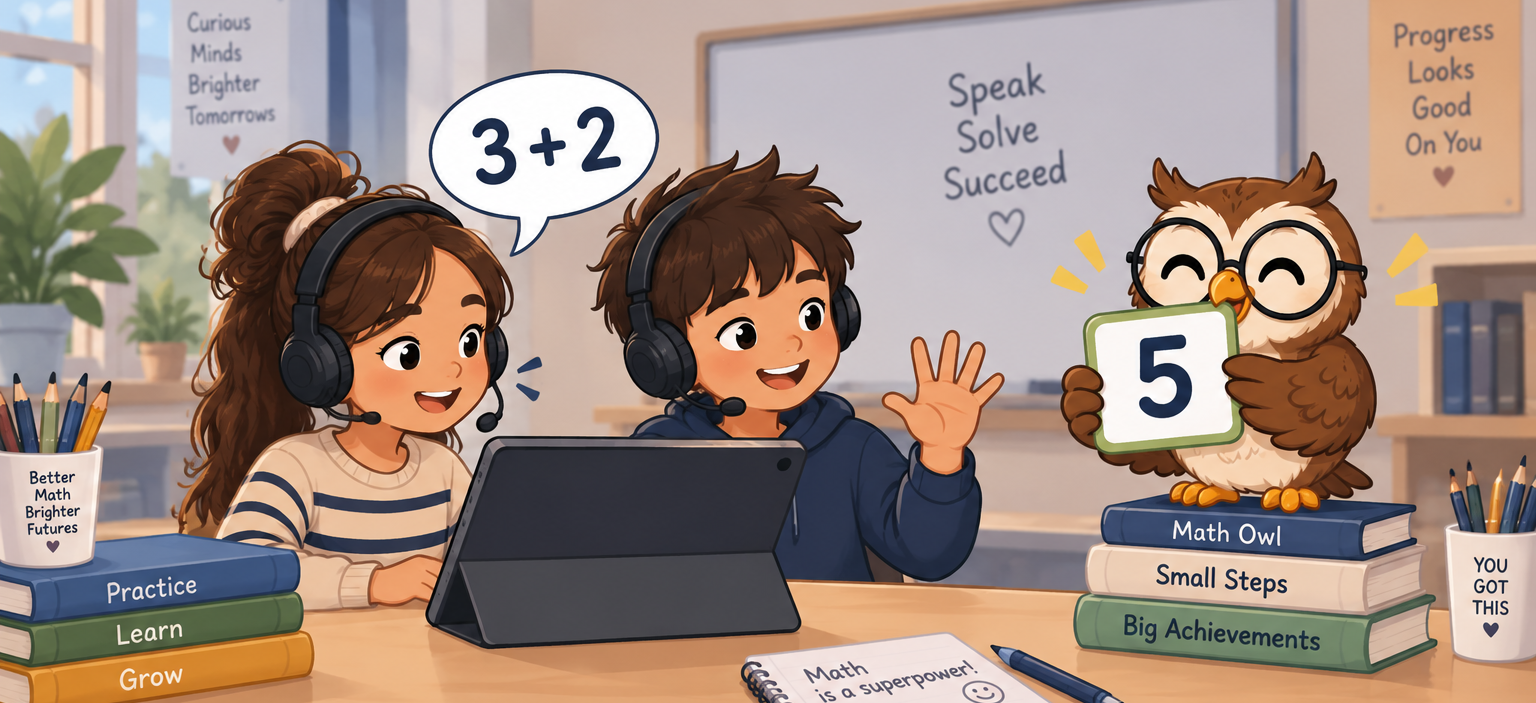
FigFig. #.1: Image«Un generatedprimeiro withencontro coa IA na aula de matemáticas de primaria: recoñecemento de voz coa “Recheneule”» (imaxe xerada con IA, ChatGPT (GPT Image 2), September 8, 2026.
ContentContido
YoungOs childrennenos meete nenas pequenos atópanse coa intelixencia artificial intelligencemoito longantes beforede theypoder canexplicala: explainasistentes it:de voicevoz assistantsna atcasa, home,cámaras camerasque thatatopan findcaras, faces,aplicacións appsque thatlles finishrematan theiras sentences.frases. The AustrianO KI-Basiscurriculum and(currículo thebásico Ministry’sde IA) austríaco e a KI-Initiative bothdo stressMinisterio thatsalientan que AIa literacyalfabetización shoulden beginIA earlydebería comezar cedo ande playfullyde forma lúdica, ande thatque itten belongstanto assitio muchna inaula thede primaryprimaria classroomcomo asnos incursos laterposteriores. grades. TheA Volksschule Hagenberg im Mühlkreis, aunha KI-Pilotschule, doesfai exactlyexactamente this:isto: fromdesde theo secondsegundo gradecurso, itso teachersseu profesorado introduce AIa throughIA games,mediante withxogos, theco proxecto digicase / DLPL projectno atcentro, thepara centre,que soos thatnenos childrene buildnenas se fagan unha primeira idea concreta do que estas máquinas poden e non poden facer.
A «Recheneule» (a «curuxa calculadora lista») é un destes xogos e encaixa perfectamente na clase de matemáticas. Usa o recoñecemento de voz, unha forma de IA, para que un neno ou nena poida dicir un número en voz alta e o programa tente recoñecelo e usalo nun cálculo. A ferramenta é deliberadamente sinxela e, como sinalan os seus creadores, aínda experimental: que oia correctamente depende do micrófono, de canto de claro fale o neno e de canto silencio haxa na aula. Para un neno de sete anos isto non é un defecto que haxa que ocultar, senón a first,lección concreteenteira. sense of what these machines can and cannot do.The „Recheneule“ (the “clever calculating owl”) is one of these games, and it fits the maths lesson perfectly. It uses speech recognition -Cando a formcuruxa of AI -mostra o thatnúmero incorrecto, o neno pode ver cos seus propios ollos que a childmáquina canlista saynon entendeu, e que el segue sabendo que tres máis catro son sete.
Isto é o que fai que a numberferramenta outsexa loudvaliosa andpara theensinar programSOBRE triesa to recognise it and use it inIA a calculation.esta Theidade. toolNon isse deliberatelylles simplepide and,aos asnenos itse makersnenas note,que stillcomprendan experimental:como whetherfunciona itpor hearsdentro correctlyo dependsrecoñecemento onde thevoz; microphone,pídeselles howque clearlyo theobserven, childque speaks,o andfagan howfuncionar quietmellor thefalando roomclaro is.e Forachegándose aao seven-year-oldmicrófono, thise isque notse adecaten flawde tocando hidefalla. butNa thelinguaxe whole lesson. When the owl shows the wrong number, the child can see with their own eyes that the clever machine did not understand — and that they, the child, still know that three plus four is seven.This is what makes the tool valuable for teaching ABOUT AI at this age. Children are not asked to understand how speech recognition works inside; they are asked to observe it, to make it work better by speaking clearly and being close to the microphone, and to notice when it fails. In the language of thedo KI-Basiscurriculum, thiseste isé theo firstprimeiro steppaso fromde Verstehen (acomprender: machineestá isescoitando listening,unha notmáquina, non unha persoa) a person) to Reflektieren (itreflexionar: doesn’tnon alwayssempre getacerta, ite right,eu andpodo I can check it)comprobalo). TheO teacherdocente keepsmantén theas mathematicsmatemáticas inen theprimeiro foreground:plano: theo pointimportante ofda theconta sumsegue is still the sum, and the owl issendo a playfulconta, partner whose answers the child learns to check.In this lesson, children predict whether the owl will hear them, try it, look at what it shows, and talk about why it sometimes gets it wrong —e a simple,curuxa age-appropriateé versionunha ofcompañeira thede xogo cuxas respostas o neno aprende a comprobar.
Nesta sesión, os nenos e nenas predín se a curuxa os oirá, próbano, miran o que mostra e falan de por que ás veces se equivoca: unha versión sinxela e axeitada á idade do predictciclo predicir → tryprobar → checkcomprobar → talk cyclefalar usedque throughoutse theseusa exemplars.en Thetodos aimestes isexemplos. O obxectivo é unha primeira experiencia alegre coa IA como axudante útil que, aínda así, necesita que unha persoa a first, cheerful experience of AI as a useful helper that still needs a human to check it.comprobe.
LessonProgramación Planda sesión
PhaseQuecemento
Time8 min
Activity
Warm-up
8nenas min
On«escoita» theunha carpet, the teacher asks where the children have heard a machine “listen” to a voicevoz (phone,teléfono, speaker,altofalante, tablet)tableta). TogetherXuntos theyacordan agreeunha aidea simplesinxela: idea:un aordenador computerpode cantentar tryoírnos, topero hearnon us,é butunha itpersoa ise notpode a person and can make mistakes.equivocarse.
ShowMostrar
7 min
TheO teacherdocente demonstratesfai theunha „Recheneule“demostración onceda on«Recheneule» thena bigpantalla screen,grande: sayingdi un número con claridade e despois outro mal pronunciado, para que a numberclase clearlyvexa andcomo thena mumblingcuruxa one,oe soben thee classdespois seesmal. theA owlclase hearadiviña rightpor and then wrong. The class guesses why.que.
TryProbar (pairs)por parellas)
20 min
InPor pairsparellas, atnunha tableta con auriculares, os nenos e nenas fan quendas: un di en voz alta a tabletresposta withdunha conta sinxela (p. ex., «tres máis catro» → di «sete») e o outro mira que número mostra a headset,curuxa childrene takemarca turns:nunha onefolla sayssinxela aunha simplecara sum answer aloudsorrinte (e.g.oíu “threeben) plusou four”unha →cara says “seven”), the other watches what number the owl shows and ticks a smileyseria (heardoíu right) or a straight face (heard wrong) on a simple sheet.mal).
CheckComprobar
8 min
ForEn everycada “heard«oíu wrong”mal», thea pairparella workscalcula outpor thesi rightmesma answera themselvesresposta andcorrecta decidese together:decide didxunta: thedíxoo childmal sayo itneno wrong,ou oroíuno didmal thea owlcuruxa? hearRodean itquen wrong?cometeu Theyo circle who made the mistake.erro.
TalkFalar
7 min
BackDe onvolta thena carpet:alfombra: WhatQue helpedaxudou thea owlcuruxa heara us?oírnos? (speakfalar clearly,claro, beestar close,preto, beestar quiet)en silencio). WhenCando thea owlcuruxa wasse wrong,equivocou, didseguiamos wesabendo stilla knowresposta thecorrecta? rightQuen answer?manda Whona isconta: thea bosscuruxa ofou the sum — the owl or us?nós?
GuidingPreguntas questions:guía: predictpredicir → tryprobar → checkcomprobar → talkfalar
PairsAs workparellas throughrealizan theseestas shortroldas roundsbreves duringdurante thea “Try”fase phase.«Probar». TheAs wordingformulacións isson keptsinxelas simplepara forque theo teacherdocente toas saypoida aloud;dicir youngeren orvoz fasteralta; pairsas canparellas domáis morenovas rounds.ou máis rápidas poden facer máis roldas.
1. RoundRolda 1 - willoirame thea owl hear me?curuxa?
-
PredictPredicir:BeforeAntesyoudespeak:falar:docresyouquethinkestathevezowlawillcuruxahearoiráyouronumberteuthisnúmero?time?PolgarThumbsarribaupouorpolgarthumbs down.abaixo.TryProbar:SayDiyourenanswervoztoaltatheasumrespostaoutáloud,conta,clearly,concloseclaridadetoethepretomicrophone.do micrófono.CheckComprobar:LookMiraatothenúmeronumberquethe owl shows. Is it your number? Tickmostra asmileycuruxa. É o teu número? Marca unha cara sorrinte (yes)si)orouaunhastraightcarafaceseria (no)non).TalkFalar:IfSeitsewasequivocou,wrong,quewhatpoderiamoscouldcambiar?weFalarchange?máisSpeakalto?louder?MáisMoreamodo?slowly?EstarBemáisquietereninsilenciothenaroom?aula?
2. RoundRolda 2 - whoquen madecometeu theo mistake?erro?
-
PredictPredicir:YouPrimeiroknowsabestheaanswerrespostatoáthecontasumnaintúayourcabeza.headQuefirst.deberíaWhatmostrarshouldathe owl show?curuxa?TryProbar:SayDitheaanswer.resposta.WatchMiratheaowl.curuxa.CheckComprobar:If the owl showsSe adifferentcuruxanumber,mostraworkunoutnúmerothedistinto,sumfacedeyourselves.vósWhataisconta.theCalrightéanswer?a resposta correcta?TalkFalar:DidDixémolowemalsaynósitouwrong,oíunoormaldidathecuruxa?owlRodeadehearoitnenowrong?ouCircleathecuruxachildnaorvosathe owl on your sheet.folla.
3. RoundRolda 3 (extension)ampliación) - makepoñédello itdifícil harda on purpose:propósito:
-
PredictPredicir:WhatQuewillpasaráhappenseiffalamoswebaixiñowhisper,ouormentrestalkfalawhileun compañeiro? Seguirá oíndonos afriend is talking? Will the owl still hear us?curuxa?TryProbar:TryProbadeitunhaoncevezwhisperingfalandoandbaixiñoonceewithoutraacunbitpoucoofdenoiseruído,-sójustparatoversee.que pasa.CheckComprobar:DidEquivocousetheaowlcuruxagetenmoremáisnumbersnúmeroswrongcandowheneraitmáiswasdifícil?harder?ContadeCountasthecarasstraight faces.serias.TalkFalar:SoEntón,whatquedoesnecesitatheaowlcuruxaneeddefromnósusparatofuncionarworkben?well?DicídeoSaynunhait in one sentence.frase.
ClosingPregunta questionfinal (forpara thea Talkfase phase)«Falar»): WhenCando thea owlcuruxa showedmostrou theo wrongnúmero number,incorrecto, didseguiamos wesabendo stilla knowresposta thecorrecta? rightEntón, answer?quen Soten whoque hascomprobar toa checkconta: theo sumordenador —ou the computer, or us?nós?FollowPregunta with:de seguimento: TheA owlcuruxa isé clever,lista, butpero itpode canoír hearmal. wrong.En Whereque elseoutros mightsitios apodería cleverequivocarse machineunha getmáquina somethinglista, wronge -que andpoderiamos whatfacer couldsempre wepara always do to check?comprobalo?
MaterialsMateriais
OneUnhatablettableta (oroucomputer)unperordenador)pairporwithparella cun micrófono que funcione; recoméndase moito un auricular con micrófono por tableta, xa que os creadores da ferramenta sinalan que aworkingcalidademicrophone;doamicrófonoheadseteperunhatabletaulaisenstronglysilenciorecommended,sonas the tool’s makers note that microphone quality and a quiet room matter.importantes.TheO„Recheneule“xogospeech-recognitionmatemáticomathsdegamerecoñecementofromdethevoz «Recheneule» do proxecto digicase / DLPLproject(dlpl.at),openedabertoinnun navegador e co acceso ao micrófono permitido.
Unha