
2.3 Inglés como lingua estranxeira
CommunicativeAdecuación Appropriatenesscomunicativa inen Englishinglés
Subject:Materia: EnglishInglés ascomo alingua Foreign Languageestranxeira · Grade:Curso: 99.º (age14–15 14–15)anos) · Duration:Duración: 1 doublesesión lessondobre (90 min) · AI:IA: LearningAprender WITHCOA AIIA
|
AF-TL-2b (
AF-FC-2b (
|
|
Take-homeMensaxemessage:clave:AIAcanIAgeneratepodefluentxerarandungrammaticallyingléscorrectfluídoEnglish,ebutgramaticalmentethiscorrecto,doesperonotisoautomaticallynonmakefaithequelanguagea lingua sexa automaticamente naturalorouappropriateadecuadaforpara unha situación concreta. Ao cambiar o destinatario, aparticularfinalidadesituation.eByochangingcontextothedunhaaudience,conversapurposexeradaandporcontextIA,ofoanalumnadoAI-generatedaprendeconversation,astudentsavaliarlearnastopropostasevaluatedaAIIAsuggestionseandauseusartheirosownseuslanguagepropiosknowledgecoñecementostolingüísticosmakeparathetomarfinalasdecisions.decisións finais.
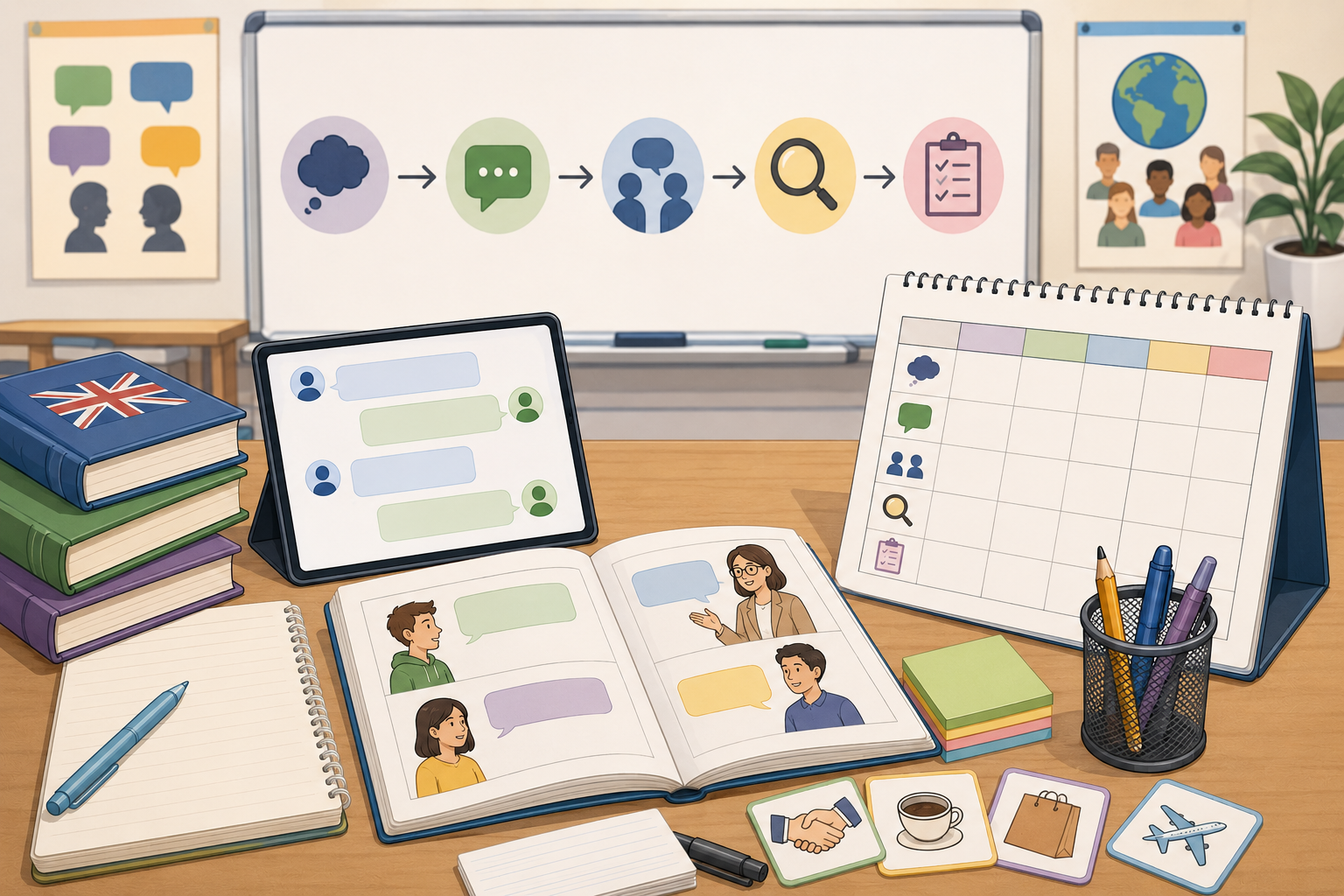
FigFig. 1.1: Image«Adecuación generatedcomunicativa withen inglés» (imaxe xerada con IA, ChatGPT (GPT Image 2), September 1, 2026.
ContentContido
CommunicatingComunicarse successfullycon inéxito nunha lingua estranxeira require algo máis ca producir oracións gramaticalmente correctas. Os falantes adaptan constantemente o vocabulario, a foreignestrutura languagedas requiresoracións, morea thancortesía producinge grammaticallyo correctton sentences.segundo Speakerso constantlydestinatario, adapta theirfinalidade vocabulary,e sentenceo structure,contexto politenessda and tone according to the audience, purpose and context of communication. The same intention can therefore be expressed in very different ways depending on who is speaking to whom.comunicación. A requestmesma madeintención topode, polo tanto, expresarse de maneiras moi distintas dependendo de quen lle fale a closequen. friendUnha maypetición bea shortun andamigo íntimo pode ser breve e informal, whilementres the same request addressed toque a teacher,mesma employerpetición or unfamiliar person usually requires different vocabulary, more polite structures anddirixida a differentun degreedocente, ofa formality.un Theseempregador differencesou area partunha ofpersoa register,descoñecida whichadoita describesrequirir howoutro languagevocabulario, changesestruturas accordingmáis tocorteses thee un grao distinto de formalidade. Estas diferenzas forman parte do rexistro, que describe como cambia a lingua segundo a situación social ande communicative situation.comunicativa.
ForPara languagequen learners,aprende registerunha canlingua, beo difficultrexistro topode recogniseser becausedifícil de recoñecer, porque unha oración pode ser gramaticalmente correcta e, aínda así, soar pouco natural ou inadecuada nun contexto concreto. Os exemplos dos libros de texto adoitan ofrecer distincións claras entre lingua formal e informal, mentres que a sentencecomunicación mayreal beé grammaticallymoito correctmáis whileflexible. stillA sounding unnatural or inappropriate inidade, a particularrelación context.entre Textbookos examplesfalantes, oftenas provideexpectativas clearculturais, distinctionso betweenmedio de comunicación e a finalidade comunicativa poden influír na lingua que se usa. Unha mensaxe que soa natural nunha conversa entre adolescentes, por exemplo, pode resultar demasiado informal nun correo electrónico a un docente, mentres que unha expresión axeitada para unha carta formal andpode informalsoar language,innecesariamente whiledistante realnunha communicationconversa iscotiá.
A moreIA flexible.xenerativa Age,pode relationshipproducir betweene speakers,adaptar culturaldiálogos expectations,moi mediumrapidamente, ofo communicationque anda communicativefai purposeútil canpara allexplorar influenceestas thediferenzas. languageAo thatcambiar iselementos used.concretos dunha instrución, como a relación entre os falantes, o nivel de lingua, a finalidade ou o grao de formalidade, o alumnado pode xerar varias versións da mesma situación comunicativa e comparar como cambia a lingua. Ao mesmo tempo, a lingua xerada por IA non é automaticamente fiable só porque soe fluída. Un modelo pode producir textos demasiado formais, repetitivos, culturalmente estraños, incoherentes co nivel solicitado ou que non se axusten plenamente ás indicacións da instrución. A messageIA thatxenerativa soundsfunciona naturalademais inde forma probabilística, o que significa que instrucións semellantes poden producir formulacións distintas.
Esta limitación é central na actividade, non algo que haxa que ocultarlle ao alumnado. A IA resulta máis útil cando o alumnado trata os seus resultados como material lingüístico para analizar e non como unha resposta que aceptar. Nesta sesión, o alumnado examina primeiro como cambia o rexistro en distintos contextos comunicativos e despois usa un LLM para modificar unha variable comunicativa de cada vez. Compara os diálogos resultantes, identifica que eleccións lingüísticas funcionan e cales non, e revisa por si mesmo partes do resultado. Deste xeito, practica tanto a conversationcompetencia betweencomunicativa teenagers,en foringlés example, may sound too informal in an email tocomo a teacher,alfabetización whilepráctica anen expressionIA: thatdar isinstrucións suitableclaras, forcomprobar ase formalse letterseguiron maye soundusar unnecessarilyo distantpropio incriterio everydaylingüístico conversation.
Generativedecidir AIse cano produce and adapt dialogues very quickly, which makes it useful for exploring these differences. By changing individual elements of a prompt, such as the relationship between speakers, language level, purpose or degree of formality, learners can generate several versions of the same communicative situation and compare how the language changes. At the same time, AI-generated language is not automatically reliable simply because it sounds fluent. A model may produce language that is too formal, repetitive, culturally awkward, inconsistent with the requested level or not fully aligned with the instructions given in the prompt. Generative AI also works probabilistically, which means that similar prompts can produce different formulations.
This limitation is central to the activity rather than something to hide from learners. AI becomes most useful when students treat its output as language material to analyse rather than an answer to accept. In this lesson, students first examine how register changes across communication contexts and then use an LLM to modify one communicative variable at a time. They compare the resulting dialogues, identify which linguistic choices work and which do not, and revise parts of the output themselves. In this way, students practise both communicative competence in English and practical AI literacy: giving clear instructions, checking whether those instructions were followed and using their own linguistic judgement to decide whether theresultado final resulté is appropriate.adecuado.
LessonProgramación planda sesión
| 10 min | ||
| 10 min | ||
| 15 min | ||
| 35 min | ||
| 20 min |
GuidingPreguntas questions:guía: layeringengadir complexitycomplexidade por capas
PairsAs workparellas throughrealizan astantas manyroldas ofdas theseguintes followingcomo roundspermita aso timetempo allowsdurante duringa thefase 35-minutede adaptationadaptación phase.de Most35 pairsminutos. shouldA completemaioría twodas rounds,parellas whiledebería thecompletar thirddúas canroldas; bea usedterceira aspode anusarse extension:como ampliación:
- Round 1 — Change the relationship between speakers:
Predict:Predicir:ImagineImaxinethatquethesesame request is made tofai aclosemesmafriend and topetición ateacher.unWhatamigodoíntimoyoueexpectatounchange?docente.ThinkQueaboutesperavocabulary,quegreetings,cambie?sentencePensestructurenoandvocabulario,politeness.nos saúdos, na estrutura das oracións e na cortesía.- Prompt: Ask the AI to rewrite the dialogue for a different relationship between the speakers.
ForPorexample:exemplo:Rewrite this conversation between two friends as a conversation between a student and a teacher. Keep the meaning the same, but use polite, natural English suitable for a B1 learner.
Compare:Comparar: Comparetheooriginaldiálogoandorixinalnewedialogues.oIdentifynovo.atIdentifiqueleastpolothreemenoslinguistictreschanges.cambios lingüísticos.Diagnose:Diagnosticar:DidAtheIAAIcambiouchangesóonlypalabrasindividualsoltas,words,ouortaméndidaitestruturaalsodaschangeoracións,sentenceosstructure,saúdos,greetings,asrequestspeticiónsandeclosingasexpressions?fórmulasWhichdechangesdespedida?areQueappropriate?cambiosIssonthereadecuados?anythingHaiyoualgowouldquechangecambiaríayourself?vostede mesmo?
- Round 2 — Change the communicative purpose:
StudentsAgoranowochangealumnadowhatcambiaoneospeakerquewantsqueretoconseguirachieve.unFordosexample:falantes. Por exemplo:askingpedirfor informationinformación →makingpresentaraunhacomplaintqueixaacceptingaceptaranuninvitationconvite →decliningrexeitalopolitelycon cortesíaaskingpedirfor helpaxuda →requestingsolicitarpermissionpermisoconversa informal
conversation→ petición formalrequestPredict:Predicir:WhatQuelanguageelementosdodayoulinguaexpectesperatoquechangecambienwhencandothecambiapurposeaoffinalidadethedaconversation changes?conversa?- Prompt: Create a more detailed prompt that includes: speaker + situation + purpose + language level + tone
ForPorexample:exemplo:Create a short B1-level dialogue between a customer and a café employee. The customer received the wrong order and wants to solve the problem politely. Use natural everyday English and keep the dialogue to eight lines.
Compare:Comparar:CheckComprobewhethersetheogenerateddiálogodialoguexeradofollowscumpreeachcadapartparteofdathe instruction.instrución.Diagnose:Diagnosticar:SelectEscollaoneunhaexpressionexpresiónthatqueworksfuncionewellbenandeoneoutrathatqueyoureescribiría.wouldExpliquerewrite.porExplain why.que.
- Optional round 3 — Add constraints and challenge the AI:
StudentsOmakealumnadotheirfaiinstructionsasmoresúasspecific.instrucións máis específicas.ForPorexample:exemplo:Rewrite the conversation for two 15-year-olds. Keep the English at B1 level. Make it friendly and natural, but avoid slang. Keep the same communicative purpose.
Predict:Predicir:WhichQueparts of the previous dialoguepartes doyoudiálogoexpectanteriortoesperachange?que cambien?Prompt:Instruír (prompt):AskPídalletheáAIIAtoqueproducexerethearevisedversiónversion.revisada.Compare:Comparar:CheckContrastethearesponserespostaagainstconeverycadarequirementunindostherequisitosprompt.da instrución.Diagnose:Diagnosticar:WhichQueinstructionsinstruciónsdidseguiutheaAIIAfollowcorrectamente?successfully?CalesWhichignoroudidouitinterpretouignoredeorformainterpret differently?distinta?
ClosingPregunta questionfinal (forpara thea Reflectfase phase)de reflexión): AtEn whichque pointmomento did changing the communication situation require more than simply replacingcambiar a fewsituación words,comunicativa andrequiriu whatalgo doesmáis thisca tellsubstituír youunhas aboutpoucas communicatingpalabras, effectivelye inque anotherlle language?indica isto sobre comunicarse eficazmente noutra lingua?
FollowPregunta with:de Ifseguimento: anSe AI-generatedun dialoguediálogo isxerado grammaticallypor correct,IA howé cangramaticalmente youcorrecto, decidecomo whetherpode itdecidir isse actuallyé appropriaterealmente andadecuado e natural forpara thisesta particularsituación situation?concreta?
MaterialsMateriais
OneUnlaptopportátiloroutabletunhapertabletastudentporpair,parellawithde alumnos, cun navegador
solucionario