
1.1 Potencialidades e riscos
IfSeyousórememberlembraonlyunhaonefrasesentencedestaform this page:páxina:AI has made its way into schools likeamedicineIAthatchegoucomesáswithoutescolas coma un medicamento sen prospecto. Como docente, non sabe cando empregar apatientIA,informationcareceleaflet.deAsindicaciónsadeteacher,dosificaciónyouedon’tnonknowhaiwheninformacióntosobreuseosAI,efectosyousecundarios.lackEstedosagecapítuloinstructions,serveanddethereprospectois no information on the side effects. This chapter serves as the patient information leaflet for thedo Playbook.
Should AI come withDebería a leafletIA likevir cun prospecto, coma un medicamento?
Coñece ese papeliño dobrado que vai dentro de cada caixa de medicamentos? Ese que probablemente bota a medicine?un lado sen mirar? Pode parecer aburrido, pero este pequeno papel é un discreto triunfo do século pasado. O prospecto detalla catro cuestións esenciais: que trata o medicamento, canto hai que tomar, que sorpresas pode traer e quen debe evitalo.
YouDetrás knowde thatcada slipliña ofdese paperprospecto tuckedhai insidetoda everyunha medicinemaquinaria: box?ensaios Theclínicos, oneautoridades youreguladoras likely toss aside withoute a glance?obriga Itde may seem dull, but this little paper isdar a quietcoñecer triumphos oferros. theNinguén lastcre century.que Thato leafletpropio spellsprospecto outcure. fourO essentials:seu whatverdadeiro thepoder medicineé treats,facer howque mucho tomedicamento take,sexa theseguro surprisespara itcalquera mightpersoa. bring,Esa andé whoa shouldmaxia steerque clear.nos falta cando deixamos que a IA ensine sen orientación.
BehindAs everyferramentas linede onIA thatque leafletagora standsse instalan silenciosamente no seu centro herdan un problema máis antigo ca a wholepropia machinery: clinical trials, regulators, andIA: a responsibilitytecnoloxía toeducativa revealraramente mistakes.veu acompañada de instrucións. No oneReino believesUnido, theunha leafletrevisión itselfconcluíu healsque you.só Its7 realde powercada is100 makingempresas thede medicinetecnoloxía safeeducativa forsometeran anyone.os Thatseus isprodutos thea magicun weensaio arealeatorizado missinge whenque wesó let12 AIde teachcada without100 guidance.solicitaran unha certificación externa. Os centros raramente esixen máis. Nunha enquisa realizada en 17 estados dos Estados Unidos, só 11 de cada 100 docentes e responsables de xestión solicitaran evidencias revisadas por pares antes de adoptar unha nova ferramenta.
TheO AIresultado, toolsen nowmoitos quietlycasos, settlingé intodiñeiro yourdesperdiciado. schoolNos inheritEstados aUnidos, problemde thatmedia, isdous olderterzos thandas AI:licenzas educationalde technologysoftware haseducativo rarelyquedaron comesen withusar instructions.e In98 thede UK, a review found that only 7 out ofcada 100 educationnunca technologyse companiesusaron hadde putforma theirintensiva. products through a randomised trial, and only 12 out of 100 had sought outside certification. Schools rarely ask for more. In a survey across 17 American states, only 11 out of 100 teachers and administrators had requested peer-reviewed evidence before adopting a new tool.
The result, in many cases, is wasted money. In the US, on average two-thirds of education software licences went unused, and 98 out of 100 were never used intensively. TheO EdTech Genome Project, alsotamén innos theEstados US,Unidos, lookedanalizou atpreto aboutde 7,0007000 teachingferramentas toolsdidácticas worthpor valor de 13 billion000 dollarsmillóns andde founddólares thate concluíu que 85 outde ofcada 100 wereeran eitherpouco axeitadas ou se implantaran incorrectamente.
Este capítulo pode parecer a poorsección fitárida orpero implementednecesaria, incorrectly.
Thisrevela chapteras mayhistorias lookocultas likedetrás thedas dry,normas. necessaryConta section,o butque itpasou reveals the hidden stories behind the rules. It tells what really happened, who was affected, and shinesrealmente, a lightquen onafectou, thee sidepon effects,o evenfoco thosenos thatefectos quietlysecundarios, reachedmesmo childrennos whoque neverchegaron signedsilenciosamente up.a menores que nunca deron o seu consentimento.
PotentialsPotencialidades ofda AIIA
MostA studiesmaioría ondos AI'sestudos potentialsobre focusas onpotencialidades universityda students.IA Schoolcéntranse pupilsno haveestudantado souniversitario. farAta featuredagora, relativelyo rarelyalumnado inescolar theseapareceu studies.relativamente Andpouco mostnestes studiesestudos. relate to short-term interventions lasting fromE a fewmaioría hoursdos toestudos refírense a fewintervencións weeks.de curta duración, desde unhas poucas horas ata algunhas semanas. Consequently,Por theconseguinte, so-calledo noveltychamado effectefecto maynovidade havepuido positivelyinfluír influencedpositivamente thenos results.resultados. AUnha largeampla reviewrevisión ofde 68 experimentsexperimentos foundatopou exactlyexactamente thiseste pattern.patrón: Thecanto shortermáis thecurto studyera ando theestudo smallere themenor numbero ofnúmero particpants,de theparticipantes, largermaior wasera theo reportedbeneficio benefitda ofIA AI. informado.
(1) LetDeixe AI explainque a newIA topicexplique andun keeptema thenovo practicee forreserve youra lessonpráctica para a súa clase
ImagineImaxine this.isto. Tomorrow,Mañá, whencando un alumno perda un tema ou necesite que lle volvan explicar ese concepto complicado, deixe que un titor de IA se encargue da primeira explicación. Reserve a pupilpráctica missespara a topicsúa orclase, needsonde thata tricky concept explained yet again, let an AI tutor handle the first explanation. Reserve the practice for your lesson, whereaprendizaxe real learningcobra comes alive.vida.
WhyPor thisque matters.importa. InNun ensaio ben controlado, un titor de IA ensinou contidos novos polo menos tan ben coma unha boa clase. Nun estudo de Harvard, 194 estudantes de física aprenderon dous temas. Para un deles empregaron un titor de IA desenvolvido con ese fin. Para o outro, aprenderon nunha clase de aprendizaxe activa ben dirixida, con discusión e resolución de problemas en parellas, non nunha clase maxistral. Cada estudante pasou polos dous enfoques, de modo que ninguén pode alegar que o grupo máis forte recibiu o mellor tratamento. Nunha proba realizada inmediatamente despois, o estudantado ao que ensinou a well-controlledIA trial,obtivo anresultados AIsignificativamente tutorsuperiores. taughtOs newinvestigadores materialrexistraron atunha leastmediana asde well49 asminutos para completar a goodtarefa, lesson.fronte Inaos 60 minutos asignados á clase no horario. Os autores son cautos na interpretación destes resultados: os contidos eran novos para o estudantado e boa parte da tarefa consistía simplemente en explicalos ben. Rexeitan expresamente estender o seu resultado a Harvardtarefas study,que 194requiran physicsrelacionar studentsvarias learnedideas twoentre topics.si. ForE onetratábase topic,de theyestudantes useduniversitarios, annon AIde tutoralumnado developedde for13 thisou purpose.14 Foranos.
Unha otherampla topic,revisión theyque learnedagrupa inos resultados de 228 estudos apunta na mesma dirección, cunha limitación importante. A IA xenerativa produciu maiores avances no coñecemento e na comprensión ca formas máis antigas de IA, como os sistemas de titoría intelixente e o software de práctica adaptativa. Pero este foi o único dos catro resultados medidos pola revisión no que a well-runIA active-learningxenerativa classlevou – with discussion and problem-solving in pairs, not a lecture. Each student completed both approaches, so no one can claim that the stronger group received the better treatment. In a test conducted immediately afterward, the students taught by the AI achieved significantly higher results. The researchers recorded a median time of 49 minutes to complete the task, compared with the 60 minutes allocated for the lesson in the timetable. The authors are cautious in their interpretation of these results: the material was new to the students, and much of the task simply involved explaining it well. They explicitly decline to extend their result to tasks that require pulling several ideas together. And these were undergraduate students, not eighth-graders.
A large review pooling the results of 228 studies points the same way, with one important limit. Generative AI produced larger gains in knowing and understanding than older forms of AI such as intelligent tutoring systems and adaptive practice software. But this was the only one of the four outcomes the review measured where generative AI had the edge.vantaxe.
GoPara deeper.afondar. Kestin, G., Miller, K., Klales, A., Milbourne, T., & Ponti, G. (2025). AI tutoring outperforms in-class active learning: An RCT introducing a novel research-based design in an authentic educational setting. Scientific Reports, 15, Article 17458. FreeAcceso access,aberto, DOI 10.1038/s41598-025-97652-6. TheO articleartigo describesdescribe howcomo these tutordeseñou wase designedcontrolou ando controlled.titor, Thisalgo isútil usefulpara forquen anyonedesexe wishingdesenvolver toun developtitor ande AIIA tutor themselves.propio.
(2) MakingAproveitar bettermellor useo oftempo lessonde planningplanificación timedas clases
ImagineImaxine this.isto. SaveAforre someparte ofdo thetempo timeque youdedica needá forplanificación lessondas planningclases byempregando usinga AIIA topara draftredactar yourun firstprimeiro lessonborrador planda andprogramación thenda revisesesión ite thoroughly.revisándoo despois a fondo.
WhyPor thisque matters.importa. NoNinguén onediscute disputesque thata teachers’carga workloadsde aretraballo heavy.do Therefore,profesorado oneé potentialelevada. benefitPor ofiso, AIun isposible usingbeneficio workingda hoursIA moreé efficiently.empregar Ao trialtempo inde Englandtraballo investigatedde whethermaneira targetedmáis useeficiente. ofUn AIensaio forrealizado lessonen planningInglaterra caninvestigou reducese teachers’o workload.uso Researchersespecífico randomlyda assignedIA para planificar as clases pode reducir a carga de traballo docente. Os investigadores asignaron aleatoriamente 259 sciencedocentes teachersde atciencias de 68 schoolscentros either toben a groupun thatgrupo usedque empregaba ChatGPT togetherxunto withcunha anguía onlineen guideliña topara usingusalo itben, well, or toben a groupun thatgrupo wasao askedque notse tolle usepediu generativeque AInon atempregase all.IA xenerativa en absoluto. TeachersOs indocentes thedo grupo de ChatGPT groupdedicaron spent aboutuns 56 minutesminutos semanais a weekplanificar planningclases sciencede lessonsciencias forpara YearsYear 7 ande Year 8 (agesde 11 toa 13)13 anos), comparedfronte witha aboutuns 81 minutesminutos inno thegrupo comparisonde group.comparación. AUn panel ofde subjectespecialistas expertsna assessedmateria theavaliou qualitya ofcalidade thedas lessonprogramacións plans.sen Theysaber didse notse knowelaboraran whethercoa theaxuda plansda hadIA beenou createdsen withela. orOs withoutespecialistas thenon aidatoparon ofindicios AI.de Theque expertsa foundcalidade nodas evidenceprogramacións tofose suggestdiferente. thatPorén, thecómpre qualitysalientar ofdous the lesson plans differed. However, two points must be highlighted.aspectos. (1) TheOs teachersdocentes used the tool less and less as the weeks went on. The evaluators read this as teachers moving fromusaron a learningferramenta phasecada intovez routine;menos itco maypaso alsodas meansemanas. thatOs theavaliadores savinginterpretárono doescomo noto sustainpaso itselfdunha withoutfase support.de aprendizaxe á rutina; tamén pode significar que o aforro non se mantén sen apoio. (2) TheO trialensaio measuredmediu theo timetempo spentque byo teachersprofesorado ondedicaba lessoná planning,planificación, notnon theiros pupils’resultados learningde outcomes.aprendizaxe do seu alumnado.
Voices from the field
"Everything“Todo comesse backreduce toao time.tempo. EvenMesmo teachersos whodocentes seeque theven valueo ofvalor AIda rarelyIA haveraramente theteñen timetempo learnpara howaprender toa use it."usala.”
GoPara deeper.afondar. Roy, P., Poet, H., Staunton, R., Aston, K., & Thomas, D. (2024, 12 December). ChatGPT in lesson preparation: A Teacher Choices Trial. NFER, commissioned by the Education Endowment Foundation and the Hg Foundation. FreeDispoñible atgratuitamente en educationendowmentfoundation.org.uk.
(3) ProvidingOfrecer bettermellor supportapoio forao learnersalumnado whoque donon notse benefitbeneficia fullyplenamente fromdas standardclases lessonsordinarias
ImagineImaxine this.isto. YourO schoolseu decidescentro howdecide iten wishesque toquere spendinvestir itsos funds.seus Itfondos wantse topensa purchaseadquirir anun AIchatbot chatbot.de HowIA. likelyQue probabilidade cre que hai de que os provedores do you think it is that the chatbot providerslle willacheguen provideevidencias youdos withbeneficios evidencedo ofbot thenas bot’sdistintas benefits for different subjects?materias?
WhyPor thisque matters.importa. TheO providerprovedor maypode pointremitir toá researchinvestigación onsobre learnersalumnado withcon disabilitiesdiscapacidade, –un onedos ofámbitos themáis longest-studiedestudados fieldsda ofIA AIna ineducación education,e andque onefacilmente thatse ispasa easilypor overlookedalto whená fundshora arede allocated.repartir Inos anfondos. analysisNunha ofanálise de 29 studiesestudos involvingcon 41 groupsgrupos ofde learnersalumnado withcon disabilities,discapacidade, researchersos foundinvestigadores moderateatoparon benefitsbeneficios acrossmoderados nunha ampla variedade de contextos. Pero lea a wideletra rangepequena. of settings. But read the small print. InEn sevensete outde ofcada tendez ofdestes these studiesestudos, ‘AI’“IA” meantsignificaba aun robot, usuallynormalmente humanoide e a humanoidmiúdo one,manexado oftenpor steeredun byinvestigador fóra da vista do neno. Só un de cada cinco estudos empregou software. Polo tanto, isto non demostra que un chatbot vaia axudar a researcherun outalumno ofautista theda child’ssúa sight.aula. OnlyOs oneautores inda fiverevisión studiestampouco usedpuideron software. So this is no proof that a chatbot will help an autistic pupil in your class. Nor could the reviewers saydicir whatque makesfai theseeficaces interventionsestas effective.intervencións. BasedA onpartir theirda research,súa theyinvestigación, couldnon notforon identifyquen whyde theidentificar studiesen thatque workedse differeddiferenciaban fromos thoseestudos thatque didfuncionaron not.dos que non.
GoPara deeper.afondar. Zhang, L., Carter, R. A., Jr., Liu, Y., & Peng, P. (2026). Let's CHAT about artificial intelligence for students with disabilities: A systematic literature review and meta-analysis. Review of Educational Research, 96(1), 215–257. Free,Acceso aberto, DOI 10.3102/00346543241293424. TheA realverdadeira gemxoia isé thea tabletáboa ofde includedestudos studies:incluídos: itrevela instantlyao revealsinstante justque howpouco littledeste ofcampo thisse fieldcentra actuallyrealmente focusesnas onferramentas theque toolsse currentlyestán beinga marketedcomercializar toactualmente schools.para os centros educativos.
(4) TeachingEnsinar learnersao howalumnado AIcomo failsfalla a IA
ImagineImaxine this.isto. AskPídalle yourá classsúa toclase createque tencree imagesdez ofimaxes 'co prompt “a doctor'doctor” and(persoal tenmédico) ofe 'dez co prompt “a nurse.'nurse” Tally(persoal upde whoenfermaría). appearsConte inquen eachaparece set,en thencada sparkserie ae discussion:abra wheredespois didun thesedebate: patternsde comeonde from,veñen andestes whopatróns madee thosequen choices?tomou esas decisións?
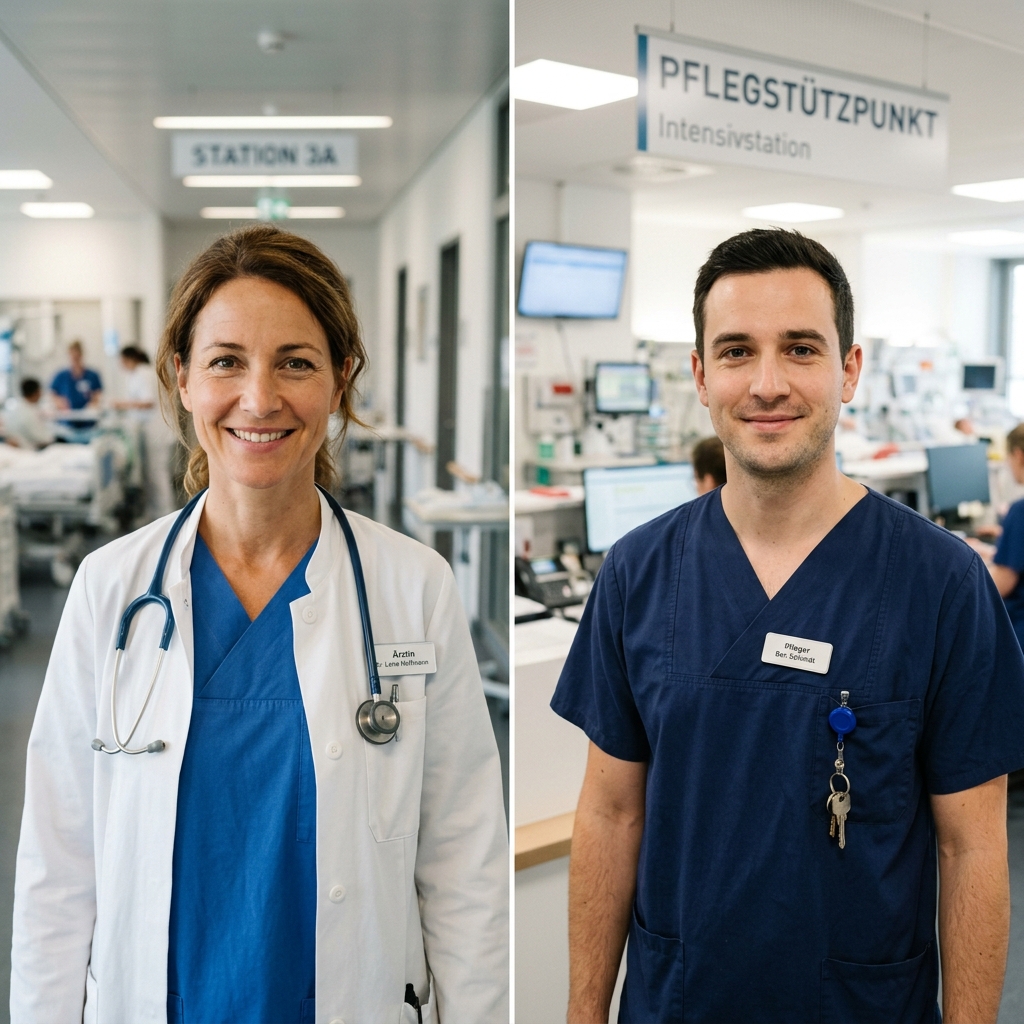
Fig. 1.1: Image“Prompt createddun withsó NanoBananaintento 2, created August, 20, 2026, One shot prompt:(one-shot): a doctor, a nursenurse” (imaxe xerada con IA, NanoBanana 2)
WhyPor thisque matters.importa. TheA classicversión versionclásica ofdesta thislección lessonparece feelsdesfasada, outdated,e andprecisamente thatpor isiso exactlymerece whyatención. itDurante deserves attention. For years, the demonstration was predictable: ask foranos, a doctor,demostración andera aprevisible: manpídese appears.un Inmédico ae testaparece byun thehome. non-profitNunha proba da organización sen ánimo de lucro AlgorithmWatch, Midjourney almostrepresentou alwayscase picturedsempre doctorsos asmédicos whitecomo men,homes whilebrancos, mentres que Adobe Firefly madefixo visible,intentos ifvisibles, imperfect,aínda attemptsque toimperfectos, diversify.de Adiversificar. peer-reviewedUn studyestudo ofrevisado 2,400por AI-generatedpares imagessobre of2400 surgeonsimaxes foundde thecirurxiáns samexeradas splitcon betweenIA products:atopou twoa ofmesma threedivisión popularentre generatorsprodutos: showeddous almostde notres women,xeradores whilepopulares thecase thirdnon camemostraban closemulleres, tomentres theque o terceiro se achegaba á proporción real proportionde ofmulleres womenna in surgery.cirurxía.
TryProbe thehoxe sameo mesmo prompt today,e andquizais youvexa mightaparecer seeunha amédica femaleou doctorun or a male nurse appearenfermeiro (Fig. 1). ButPero donon notse bedeixe fooledenganar intopensando thinkingque theo biasnesgo hasdesapareceu. vanished.Unha Aanálise de 2026 analysissobre of1344 1,344imaxes imagesde fromtres threexeradores popularpopulares generatorsrevelou revealedo thecontrario: opposite:ao whenpedirlle askedunha for“persoa acompetente”, 'competentun person,'dos onesistemas systemnon showedmostrou noningunha women.muller.
WhatO changedque iscambiou notnon theé biaso butnesgo, the layer it lives in – and that is the important lesson. Human decisions stand behind any of these pictures: what the system was trained on, and what its makers afterward decided it should show. The second is adjustable, invisible, and made bysenón a company.capa na que se atopa, e esa é a lección importante. Detrás de calquera destas imaxes hai decisións humanas: con que se adestrou o sistema e que decidiron despois os seus creadores que debía mostrar. O segundo é axustable, invisible e decídeo unha empresa.
YourAswordssúasarepalabrasrewrittenreescríbensebeforeantesthedemodelquereceivesothem.modelo as reciba.FromSegundoOpenAI’saowndocumentacióndeveloperparadocumentation:desenvolvedores da propia OpenAI: “we use GPT-4 to optimize all of your prompts before they’re passed to DALL-E”—(empregamosandGPT-4 para optimizar todos os seus prompts antes de pasárllelos a DALL-E) e “this feature isn’t able to be disabled at themoment.”moment”What(poloyourmomento,pupilestatypedfunciónisnonnotsewhatpodethedesactivar).machineOwasqueasked.escribiu o seu alumno non é o que se lle pediu á máquina.AppearanceOgetsaspectofilleddasinpersoaswhencomplétasethecando o promptleavesoitdeixaopen.aberto. OpenAI,describingaoitsdescribirdiversityatechnique:súa técnica de diversidade: “This technique is applied at the system level when DALL-E is given a prompt describing a person that does not specify race or gender, like‘'firefighter.’'”Afterwards,(EstauserstécnicawereaplícasetwelveatimesnivelmoredelikelysistematocandosayDALL-Etherecibeimagesunshowedpromptpeoplequeofdescribediverseunhabackgrounds.persoa sen especificar raza nin xénero, como “bombeiro”.) Despois, a probabilidade de que os usuarios afirmasen que as imaxes mostraban persoas de orixes diversas multiplicouse por doce. “A doctor”iséexactlyexactamentethatesekindtipoofde prompt.AndEthatesetuningaxustecanpodemiss.fallar. Google,aftertraspausingdeterGemini’saimagexeracióngenerationdeinimaxes de Gemini en 2024: “Our tuning to ensure that Gemini showed a range of people failed to account for cases that should clearly not show a range.” (O noso axuste para garantir que Gemini mostrase persoas diversas non tivo en conta os casos nos que claramente non debía mostrarse esa diversidade.)
Esta é a choice!lección Youque cannot spot that choice in the outcome, and it might shift onmerece a Tuesday,atención quietly,do withoutalumnado, warning.e Thatsobrevivirá truthá endurespróxima throughactualización everydo newmodelo: model. The stereotype lesson fades away.
This is the lesson that deserves a student'simaxe attention,non andé it will outlast the next model update: the image is not aun simple reflectionreflexo ofda reality,realidade andnin itxurdiu didpor notcasualidade. happenAlguén bytomou chance.unha Someone made a choice.decisión.
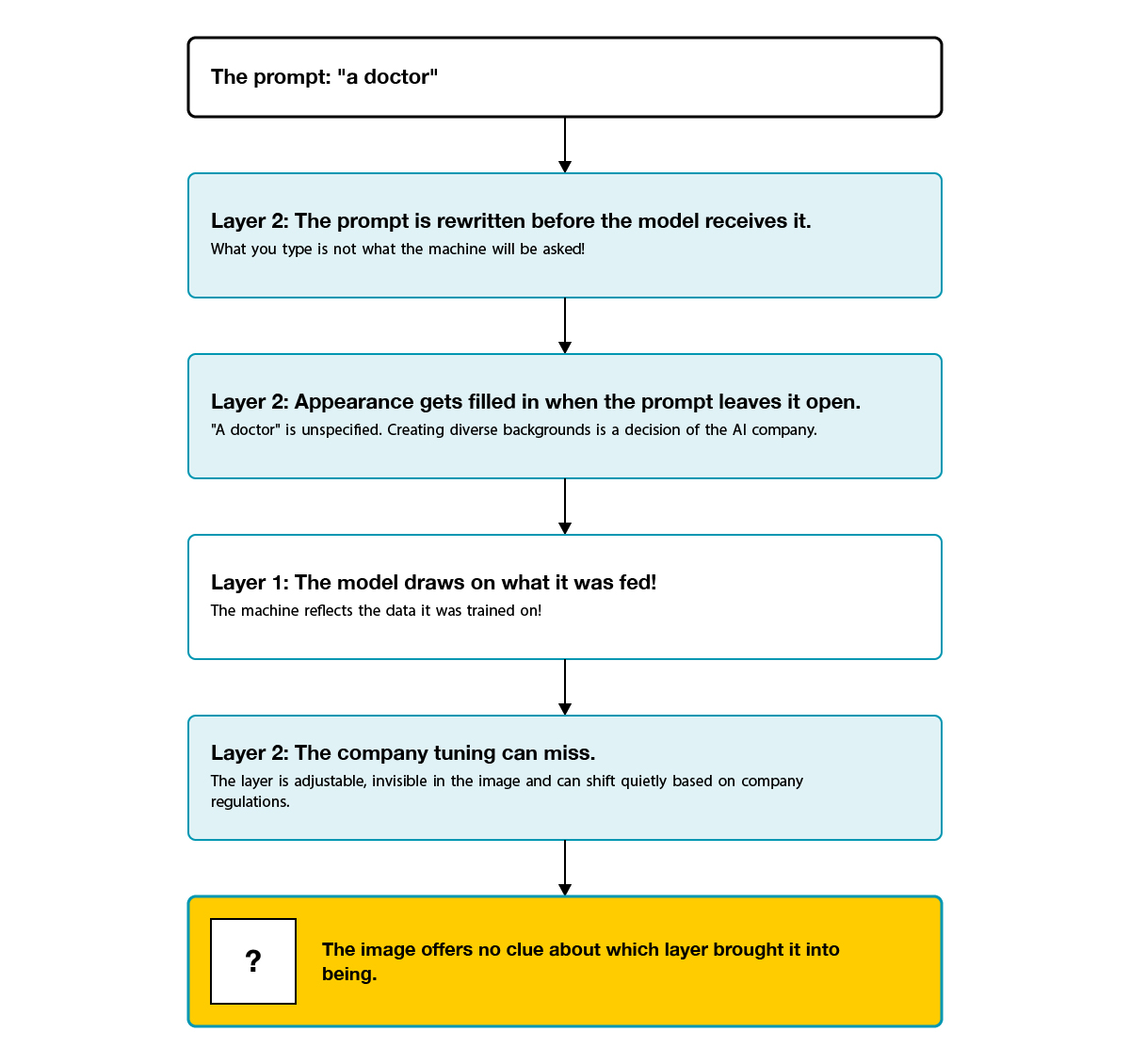
Fig. 2.2: Why“Por the picture based onque a promptimaxe like "drawxerada a doctor"partir looksdun likeprompt itcomo does‘debuxa andun whymédico’ theten pictureo itselfaspecto won'tque tellten you.e por que a propia imaxe non llo vai dicir” (imaxe xerada con IA, NanoBanana 2)
ThisEsta lessonlección canpode startcomezar early.cedo. WhenCando 209 Finnishestudantes studentsfinlandeses inde 12 classes,clases gradesde 66.º ande 7,7.º exploredcurso thistraballaron topic,este thetema, numbera whoproporción coulddos explainque theeran biascapaces usingde dataexplicar jumpedo fromnesgo abouta partir dos datos pasou de aproximadamente 7 outde ofcada 100 toa 4 outde ofcada 100. TheA honestreserva reservation:honesta: theo studyestudo measuredmediu whato childrenque couldos explain,nenos noteran whatcapaces theyde wouldexplicar, donon later.o que farían máis adiante.
Voices from the field
"Bias“O isnesgo notnon uniqueé toexclusivo AI.da EvenIA. textbooksMesmo canos containlibros one.de Whattexto matterspoden istelo. knowingO aboutimportante chance,é aboutsaber thesobre datao behindazar, ansobre answeros &datos aboutque possiblehai distortions."detrás dunha resposta e sobre as posibles distorsións.”
GoPara deeper.afondar. Vartiainen, H., Kahila, J., Tedre, M., López-Pernas, S., & Pope, N. (2025). Enhancing children's understanding of algorithmic biases in and with text-to-image generative AI. New Media & Society, 27(9), 5342–5368. Free,Acceso aberto, DOI 10.1177/14614448241252820. TheO studyestudo hadnon notiña comparisongrupo groupde –comparación: readléao itcomo asun adeseño promisingdidáctico classroomprometedor, design,non notcomo asunha proof.proba.
Weinmann, H., Messingschlager, T. V., & Appel, M. (2026). Gender bias in text-to-image generative artificial intelligence: Neglect and stereotypical presentations across three popular platforms. New Media & Society. OnlinePublicación first.anticipada Free,en liña (online first). Acceso aberto, DOI 10.1177/14614448261435197.
Ali, R., et al. (2024). Demographic representation in 3 leading artificial intelligence text-to-image generators. JAMA Surgery, 159(1), 87–95. DOI 10.1001/jamasurg.2023.5695.
TheDeclaracións vendors’dos ownpropios statements:provedores: OpenAI (2022), Reducing bias and improving safety in DALL·E 2; Depue, W. (2023), What’s new with DALL·E 3?, OpenAI Cookbook; Raghavan, P. (2024), Gemini image generation got it wrong. We’ll do better, Google.
HowQue solidsolidez areteñen theneste researchmomento resultsos onresultados theda potentialinvestigación ofsobre AIas atpotencialidades thisda very moment?IA?
TheO mostmáis important thing.importante. IfSe someonealguén quoteslle cita un estudo, faga dúas preguntas antes de darlle a studyrazón: to“Quen you,era asko twoalumnado questionse beforecanto agreeing:durou "Whoo were the learners, and how long did the study last?"estudo?”
WhyPor thisque matters.importa. InEn 2025, aunha meta-analysismetaanálise ofde 51 studiesestudos reportedinformou dun gran beneficio de ChatGPT no rendemento académico do estudantado. O artigo foi lido centos de miles de veces e serviu de base para numerosas afirmacións categóricas nas salas de profesorado. O 22 de abril de 2026, a largerevista benefitretractou o artigo. ofUnha ChatGPTretractación forsignifica students’que academicunha performance.revista Theretira articleoficialmente wasalgo readque hundredspublicou; ofo thousandsartigo ofsegue timesvisible, andmarcado servedcoa indicación “RETRACTED”, para que quen o citase poida decatarse. Dous investigadores alleos ao estudo detectaran incoherencias na análise. O editor da revista escribiu que os problemas “minan a confianza do editor na validez da análise”. Os autores non responderon á correspondencia sobre este asunto.
Isto non significa que a IA non teña impacto. Hai estudos fiables que demostran beneficios moderados. Este campo de investigación tampouco está aínda ben delimitado, porque é relativamente novo e moi dinámico. Significa que a cifra citada con frecuencia era incorrecta e que fixeron falta un ano e dous expertos externos para decatarse diso.
Cómpre mencionar outra reserva. Polo menos en matemáticas, canto máis se achegan as theevidencias basisá forescola, numerousmenor confidenté statementso inefecto. staffSe rooms.se consideran todas as materias, o panorama é desigual: algunhas revisións recentes atopan efectos maiores nos centros escolares ca nas universidades, pero os estudos en contexto escolar seguen sendo poucos e pequenos.
OnPara 22 April 2026, the journal retracted the article.afondar. A retractionpropia meansretractación thatocupa unha soa páxina, é de acceso aberto e paga a journalpena officiallylela withdrawsprecisamente somethingporque ité has published; the article remains visible, marked with the note ‘RETRACTED’, so that anyone who has cited it can recognise this. Two researchers who had not been involved in the study had identified discrepancies in the analysis. The journal's editor wrote that the problems ‘undermine the editor’s confidence in the validity of the analysis’. The authors did not respond to correspondence on this matter.
This does not mean that AI has no impact. There are reputable studies that demonstrate moderate benefits. This field of research is also not yet well defined because it is relatively new and highly dynamic. It means that the figure that was frequently cited was incorrect, and that it took a year and two external experts to realise this.
Another reservation is worth mentioning. In mathematics, at least, the closer the evidence gets to school, the smaller the effect. Across subjects the picture is mixed: some recent reviews find larger effects in schools than at universities – but the school studies are still few and small.
Go deeper. The retraction itself is one page, free, and worth reading precisely because it is short:breve: Wang, J., & Fan, W. (2026). Retraction note: The effect of ChatGPT on students' learning performance, learning perception, and higher-order thinking. Humanities and Social Sciences Communications, 13, 528. DOI 10.1057/s41599-026-07310-z.
TheO orixinal retractedretractado original wasera HSSC 12, 621 (2025). StillSegue standing:vixente: Wu, X., Zhu, P., Zhang, J., Yin, M., & Wang, Y. (2026). ChatGPT's impact on student learning outcomes: A meta-analysis of 35 experimental studies. Humanities and Social Sciences Communications, 13, 684. Free,Acceso aberto, DOI 10.1057/s41599-026-07019-z.
TheA school-onlycifra figurereferida forsó mathematics:ao ámbito escolar en matemáticas: Yi, L., Liu, D., Jiang, T., & Xian, Y. (2025). The effectiveness of AI on K-12 students' mathematics learning: A systematic review and meta-analysis. International Journal of Science and Mathematics Education, 23(4), 1105–1126. DOI 10.1007/s10763-024-10499-7.
AUnha broader,análise moreagrupada recentmáis pooledampla analysis:e recente: Han, X., Peng, H., & Liu, M. (2025). The impact of GenAI on learning outcomes: A systematic review and meta-analysis of experimental studies. Educational Research Review, 48, 100714. DOI 10.1016/j.edurev.2025.100714.
RisksRiscos ofda AIIA
(1) DoingFacer somethingalgo isnon noté theo samemesmo asque learningaprender
ImagineImaxine this.isto. BeforeAntes youde setmandar para a homeworkcasa taskunha atarefa que un chatbot canpoida complete,resolver, thinkpense aboutna thefinalidade purposeda oftarefa. theNon task.sería Might it be a goodboa idea to change the task?cambiala?
WhyPor thisque matters.importa. DoApréndese youmáis learnrápido fastercun withchatbot? Arredor de mil alumnos de secundaria (cursos 9.º a chatbot?11.º) Aroundpracticaron matemáticas en tres grupos: un cun chatbot estándar, outro cunha versión programada para non dar a thousandresposta pupilse informular Yearsunha 9pregunta tode 11seguimento, practicede mathsoutro insen threechatbot. groups:Mentres oneusaba usingo chatbot, o grupo co chatbot estándar resolveu un 48 % máis de exercicios de práctica que o grupo sen chatbot. Despois, todos fixeron o mesmo exame sen chatbot. O resultado, que ao principio pareceu sorprendente, foi que o grupo do chatbot estándar obtivo un rendemento un 17 % inferior ao do alumnado que non usara ningún chatbot. O grupo que traballara co chatbot que non daba a standardresposta non mostrou ningunha baixada de rendemento na proba en comparación co grupo sen chatbot, onepero usingpracticou máis. O alumnado que usou o chatbot estándar nin foi preguiceiro nin fixo trampas. Traballou máis e aprendeu menos, porque o que eliminou a versionferramenta programmednon tofoi withholdo esforzo, senón o desafío cognitivo que constitúe a aprendizaxe.
Voices from the answerfield
“A askIA afai follow-upmoi question,doado andobter oneunha withoutsolución asen chatbot.entendela.”
GoPara deeper.afondar. Bastani, H., Bastani, O., S ngu,Sungu, A., Ge, H., Kabakcı, Ö., & Mariman, R. (2025). Generative AI without guardrails can harm learning: Evidence from high school mathematics. *PNAS, 122*122, e2422633122. DOI 10.1073/pnas.24 2633122.2422633122.
(2) AIOs Detectorsdetectores punishde theIA wrongpenalizan pupilso alumnado equivocado
ImagineImaxine this.isto. YouRecibe receivepara corrixir a student’sredacción essaydun toalumno. grade.Con Curiouscuriosidade aboutpor itssaber authenticity,se youé feedauténtica, itpásaa intopor anun AIdetector detector.de TheIA. resultO flashes:resultado theaparece essayna waspantalla: almostcase certainlycon writtencerteza, bya AI.redacción foi escrita por unha IA.
WhyPor itque matters.importa. YouEmprega use the AIo detector tode ensureIA fairness,para yet forgarantir a particularequidade, group,pero thepara detectorsun havegrupo exactlyconcreto theos oppositedetectores effect.teñen exactamente o efecto contrario. Un detector non recoñece o texto xerado por máquinas. Mide o previsible que é a redacción. E aí é precisamente onde está o problema, por exemplo, cando un alumno escribe nunha lingua estranxeira, ten pouca práctica escribindo ou dispón dun vocabulario cotián limitado. A detectorsúa doesescrita noté recogniseprevisible. machine-generatedCando text.sete Itdetectores measuresmoi howempregados predictable the wording is. And that is precisely where the problem lies, for example, when a pupil is writing in a foreign language, is unpractised in writing, or has a limited everyday vocabulary. Their writing is predictable. When seven widely used detectors analysedanalizaron 91 essaysredaccións writtenescritas forpara theo exame de inglés TOEFL Englishpor testfalantes bynon non-nativenativos, speakersrecompiladas –nun collectedforo fromchinés aen Chineseliña, onlineclasificáronas forumerroneamente –como theyxeradas wronglypor flaggedmáquina themen asarredor machine-generatedde inseis aroundde sixcada outdez ofcasos. tenAs cases.redaccións Essaysde byalumnado Americanestadounidense eighth-gradersde writing13 inou their14 nativeanos Englishque wereescribía almostno allseu classifiedinglés correctly.nativo Aclasificáronse toolcase thattodas triggerscorrectamente. falseUnha positivesferramenta forque exactlyxera onefalsos grouppositivos isprecisamente notpara un grupo non é neutral. Furthermore,Ademais, thiseste groupé iso thegrupo leastcon ablemenos tocapacidade defendpara itself.defenderse.
GoPara deeper.afondar. Liang, W., Yuksekgonul, M., Mao, Y., Wu, E., & Zou, J. (2023). GPT detectors are biased against non-native English writers. Patterns, 4(7), 100779. Free,Acceso aberto, DOI 10.1016/j.patter.2023.100779.
(3) WhereOnde ondemo earthacabarán willos thedatos pupils'do data be?alumnado?
ImagineImaxine this.isto. YouEmprega useunha anferramenta AIde toolIA yourque schoollle offers.ofrece Tryo toseu findcentro. outIntente wheredescubrir thea pupils'onde datavan go.os datos do alumnado.
WhyPor itque matters.importa. CanPode youro schoolseu ensurecentro thatgarantir theque dataos isdatos notnon passedse on totransmiten a thirdterceiros? party?Un Aterceiro thirdé partyunha isempresa que non é nin o seu centro nin o desenvolvedor da aplicación. Normalmente trátase de empresas de publicidade ou de analítica que reciben datos mentres o alumno traballa. Ninguén no centro escolleu esa empresa. Cando uns investigadores realizaron unha análise técnica de 163 produtos de aprendizaxe recomendados polos gobernos durante os peches escolares pola pandemia, 145 deles tratában os datos dos menores dun xeito que poñía en perigo ou vulneraba os seus dereitos, ao transmitiren datos a company196 thatempresas isterceiras, neitherna yoursúa schoolmaioría nordo thesector app’spublicitario, developer.ou Typically,ao thesedaren are advertising or analytics companies that receive data whilst the pupil is working. No one at the school chose this company. When researchers carried outacceso a technical analysis of 163 learning products recommended by governments during the pandemic-related school closures, 145 of them processed children’s data in a way that jeopardised or infringed their rights by transmitting data to 196 third-party companies or granting them access, predominantly from the advertising industry.eles. Of theDos 42 governmentsgobernos thatque developeddesenvolveran theirprodutos ownpropios productsen ratherlugar thande purchasing them,compralos, 39 haddesenvolveran developedprodutos productsco withmesmo theproblema. sameO problem.estudo Theabrangue studyprodutos coversde products2021 frome 2021,algúns andpoden someter maycambiado havedesde changed since thenentón. However,Porén, wenon cannotse rulepode outdescartar thatque theo samemesmo appliessuceda tocoas AIaplicacións applications.de IA.
GoPara deeper.afondar. Human Rights Watch (2022). "How dare they peep into my private life?: Children's rights violations by governments that endorsed online learning during the Covid-19 pandemic. FreeDispoñible atgratuitamente en hrw.org. TheOs countryanexos annexespor letpaíses youpermiten lookconsultar upque whatse wasrecomendou endorseden where.cada lugar.
(4) AIA arrivesIA lastchega whereen itúltimo islugar neededa mostonde máis se necesita
ImagineImaxine this.isto. HowCanta muchformación trainingrecibiu didxa youpara alreadyensinar receivesobre ona learningIA aboutou AIpara orensinar subject-specifica teachingsúa withmateria AI?coa IA?
WhyPor thisque matters.importa. InNun oneexperimento, experiment,persoas adultsadultas withcon ande withoutsen estudos universitarios resolveron unha tarefa empresarial semellante ás do mundo laboral. Cun asistente de IA, desapareceron arredor de tres cuartas partes da diferenza entre ambos os grupos. Cando despois os investigadores retiraron o asistente, unha parte considerable da diferenza volveu aparecer. Os autores conclúen que a universityIA educationfixo solvedboa parte do traballo e que só unha parte da mellora se mantivo unha vez retirada.
Unha enquisa a work-styledirectores businessde task.centros Withescolares anestadounidenses AI assistant, about three-quarters of the gap between the two groups disappeared. When the researchers then took the assistant away,engade a sizeablesegunda partmetade ofdo thecadro: gapcanto camemáis back.desfavorecido Theera authorso concludealumnado thatdun thecentro, AImenos didfixera mucho ofcentro thepara work, and that only part of the gain survived once it was gone.
A survey of American school principals adds the second half of the picture: the more disadvantagedintegrar a school’sIA pupils,(menos thenormativas lessinternas, themenos schoolformación haddo doneprofesorado, tomenos integrateorientacións AIsobre –o feweruso policies,por lessparte teacherdo training,alumnado). lessTrátase guidancedunha onasociación, pupilnon use.dunha Thatproba isde an association, not proof of cause.causalidade.
TakenEn together:conxunto: aunha goodboa toolferramenta canpode narrowreducir unha fenda mentres está nas mans do alumno. Pero tende a gapchegar whileaos itcentros isque inmenos thea learner’snecesitan, hands.e Butsó itunha tendsparte todo reachseu thebeneficio schoolspermanece thatcando needse it least, and only part of its benefit stays behind when it is removed.retira.
GermanAs figurescifras showalemás themostran sameo pattern.mesmo Amongpatrón. 1,590Entre young1590 peoplepersoas agednovas de 14 toa 20,20 anos, o 80 percent% fromdas theprocedentes mostdas affluentfamilias familiesmáis butacomodadas, onlypero só o 55 percent% fromdas theprocedentes leastdas affluentmenos sawacomodadas, AIvían asa anIA opportunitycomo forunha school.oportunidade Usagepara followsa theescola. sameO gradient:uso amongsegue youngo peoplemesmo whogradiente: useentre AIa tools,xente nova que emprega ferramentas de IA, o 70 percent% ofdo alumnado de Gymnasium pupils(ensino usesecundario themacadémico) forutilízaas schoolpara ora homework,escola comparedou withos deberes, fronte ao 58 percent% atnoutros othercentros secondaryde schools.secundaria.
WhatE abouta teacherformación professionalpermanente development?do profesorado? AUnha surveyenquisa ofa moremáis thande tendez thousandmil teachersdocentes inde EnglandInglaterra foundconcluíu thatque o 45 percent% ofdo teachersprofesorado atde privatecentros schoolsprivados hadxa alreadyrecibira receivedformación formal trainingsobre onIA, AI,fronte compared withao 21 percent% atnos statecentros schools.públicos. WithinDentro thedo statesistema system,público, thea figurecifra rangedía fromdesde o 26 percent% atnos schoolscentros withcon thealumnado mostmáis affluentacomodado intakesata too 18 percent% atnos thosede withalumnado themenos least affluent.acomodado.
GoPara deeper.afondar. Cruces, G., Fernández Meijide, D., Galiani, S., Gálvez, R. H., & Lombardi, M. (2026). Does generative AI narrow education-based productivity gaps? Evidence from a randomized experiment (NBER Working Paper 34851). ADocumento workingde paper,traballo, notaínda yetsen peer-reviewed.revisión por pares. Campos, C., & Singleton, J. D. (2026). AI diffusion gaps: Unequal integration of AI across K-12 schools (NBER Working Paper 35347). Latham, K., & Montacute, R. (2025). Artificial advantage? AI in the classroom and the inequality gap. The Sutton Trust. FreeDispoñible atgratuitamente en suttontrust.com. Vodafone Stiftung Deutschland (2024), Pioniere des Wandels; mpfs (2024), JIM-Studie 2024. BothAmbos free,de inacceso German.libre, en alemán.
(5) WhatO improvesque whenmellora learningao withaprender AIcoa isIA notnon necessarilyé whatnecesariamente youo seeque se ve
ImagineImaxine this.isto. YouIntroduce introduceun a newnovo chatbot intonas yoursúas teachingclases ande theo pupilsalumnado areúsao enthusiasticcon about using it.entusiasmo.
WhyPor thisque matters.importa. AUnha largeampla reviewrevisión ofde 228 studiesestudos lookedanalizou atcatro fouraspectos differentque thingsa AIIA mightpodería improve:mellorar: knowingo andcoñecemento understanding;e applyinga whatcomprensión; onea knows;aplicación thedo affectiveque side,se suchsabe; asa motivationdimensión andafectiva, engagement;como anda themotivación abilitye toa plan,implicación; monitore anda correctcapacidade one’sde ownplanificar, learning.supervisar Threee ofcorrixir thea fourpropia improved.aprendizaxe. TheTres lastdos onecatro didmelloraron. not,O asúltimo farnon, aspolo theque studiespermiten couldsaber tell.os estudos.
ForNoknowingcoñecementoandeunderstanding,na comprensión,generativeaAIIAdidxenerativabetterobtivothanmelloresolderresultadosformscaofformasAImáissuchantigasasdeintelligentIA,tutoringcomosystemsosandsistemasadaptivedepracticetitoríasoftware.intelixente e o software de práctica adaptativa.ForNaapplyingaplicaciónknowledge,doandcoñecementoforethenaaffectivedimensiónside,afectiva,generativeaAIIAdidxenerativanononbetterobtivothanmellorestheresultadosolderca o softwaremanymáisschoolsantigoalreadycoown.que xa contan moitos centros.ForNaself-steering,autorregulación,theopooledefectoeffectagrupadowasfoismallpequenoandecouldpoderíahavedebersebeenaochanceazar;–ademais,andhabíatheremoiwerepoucostooestudosfewparastudiesanalizartoqueasktipowhichdekindIAofpoderíaAI might help at all.axudar.
OnlySó aun handfulpuñado ofdos theresultados resultsprocedían camede fromensaios randomisedaleatorizados, trials,e ando theentusiasmo enthusiasmque youse seeobserva innas theprimeiras firstsemanas weeksé isexactamente exactlyo whatque shortmellor studiescaptan captureos best.estudos curtos.
Here’sUnha abreve quicknota sideá note:marxe: innesta thisrevisión, review,os themaiores greatestavances gainsrexistráronse werenas foundartes ine thenas arts and humanities.humanidades.
GoPara deeper.afondar. Yeo, G. H., & Lansford, J. E. (2025). Effects of artificial intelligence on educational functioning: A review and meta-analysis. Educational Psychology Review, 37(4), article 110. DOI 10.1007/s10648-025-10085-5.
Go deeper. Yeo, G. H. & Lansford, J. E. (2025). Effects of artificial intelligence on educational functioning: A review and meta-analysis. Educational Psychology Review, 37(4), article 110. DOI 10.1007/s10648-025-10085-5.