4. Certification & Micro-Credentials (ICEP)
4.1 Certification Pathway
What is the certification?
The DUAL.AI.TEACHer certification pathway provides teachers with a structured way to demonstrate their competences in two complementary areas: AI-Enhanced Teaching and AI Literacy. Teachers may pursue either one certification track or both, depending on their prior knowledge, professional role, and development needs.
The certification pathway combines self-assessment, learning and preparation activities, formal assessment, and digital certification.
Choose your track
The DUAL.AI.TEACHer certification consists of two complementary tracks:
- Track A: AI-Enhanced Teaching (WITH AI) – focused on the pedagogical use of AI in teaching and learning.
- Track B: AI Literacy (ABOUT AI) – focused on teachers’ understanding of AI concepts, opportunities, limitations, and responsible use.
Participants may pursue either one track or both tracks of certification, depending on their prior knowledge, professional role, and development needs.
A preliminary self-assessment will help candidates identify the most appropriate pathway.
How does the certification work?
The certification process follows a common sequence for both tracks:
- The teacher discovers the DUAL.AI.TEACHer certification.
- The candidate registers on the ICEP platform.
- The candidate completes a preliminary self-assessment and selects Track A or Track B.
- The candidate learns and prepares using the provided content, including the collection of badges in the MOOC.
- The candidate books an exam slot.
- The candidate attempts the exam.
- Upon successful completion, the digital certificate is issued.
- The certificate may be shared through Europass, where third-party institutions can check its validity.
- The certificate expires after five years.
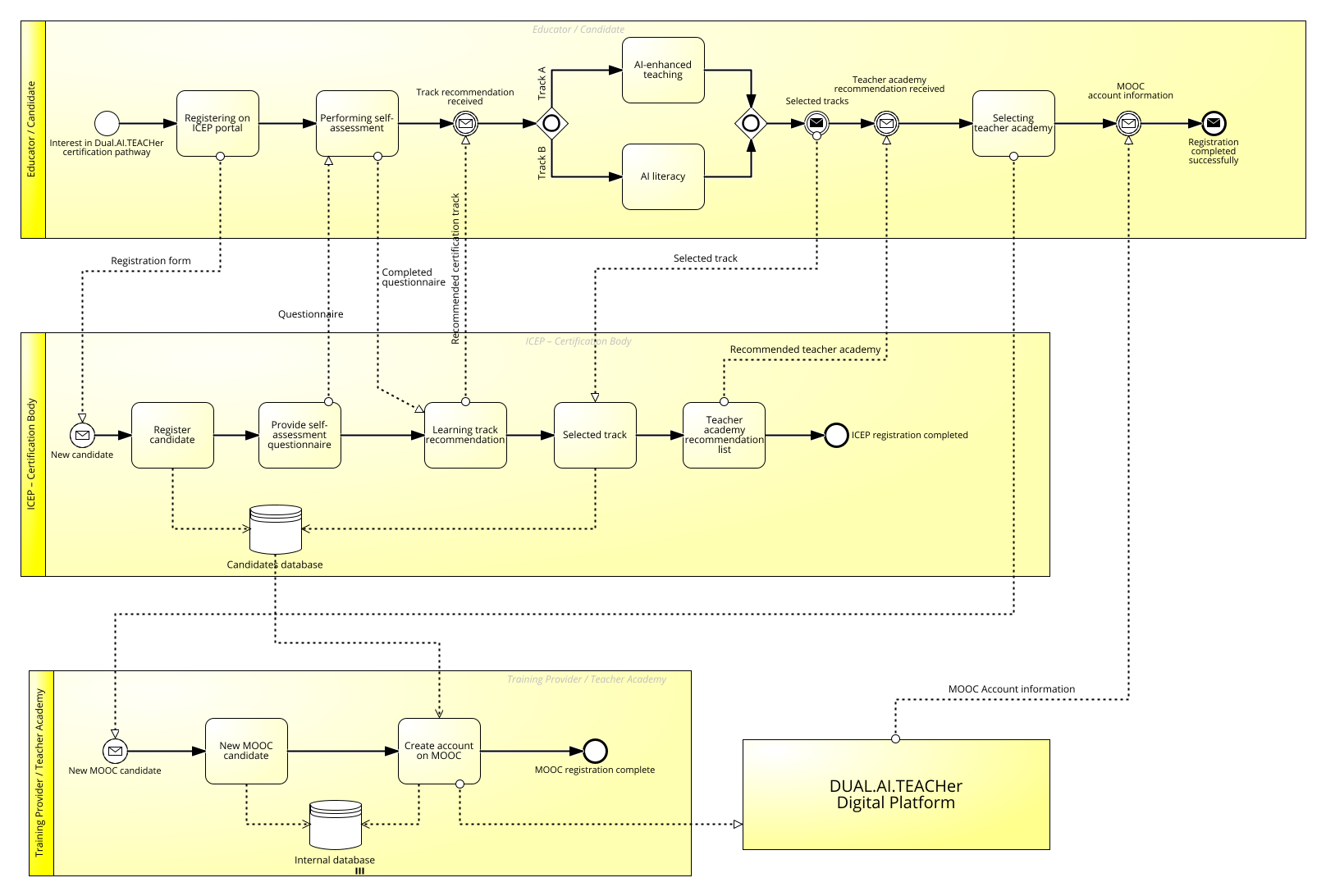 Figure 1: Registration, Self-Assessment and Certification Pathway Selection Process
Learning and preparation
After selecting a certification track, candidates enter the learning and preparation phase. They use the provided learning content and may collect badges through the MOOC as part of their preparation for the certification assessment.
The preparation process includes access to learning materials, support activities, self-assessment, practical assignments, and progress tracking. The candidate can continue learning, repeat activities where needed, or proceed towards the certification assessment once sufficiently prepared.
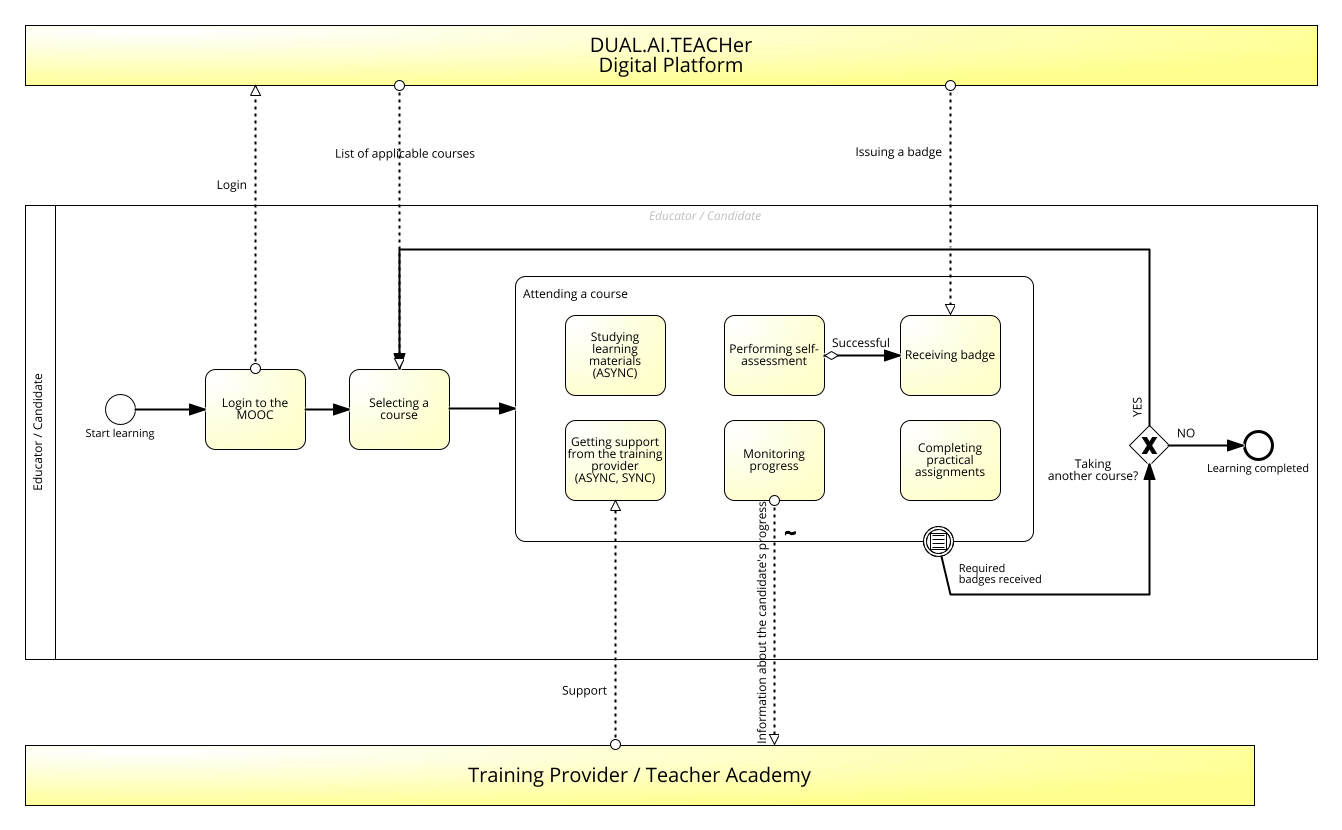 Figure 2: Learning and Preparation Process
Assessment and certification
The certification assessment is delivered through an online examination for each certification track.
The planned assessment format includes:
- Format: Online examination
- Content: 30 multiple-choice questions
- Platform: ICEP certification platform
- Language: English and national languages
- Attempts: Up to 2 attempts per candidate
- Monitoring: Remote proctoring/monitoring
Candidates complete the assessment for the selected track after the preparation phase and readiness self-assessment. Successful completion of the examination leads to the issuance of the corresponding certificate.
The assessment may include the following question types:
- Single Best Answer
- Multiple Choice
- True/False
These selected-response formats are intended to support objective, consistent, and scalable assessment, while enabling efficient automated scoring.
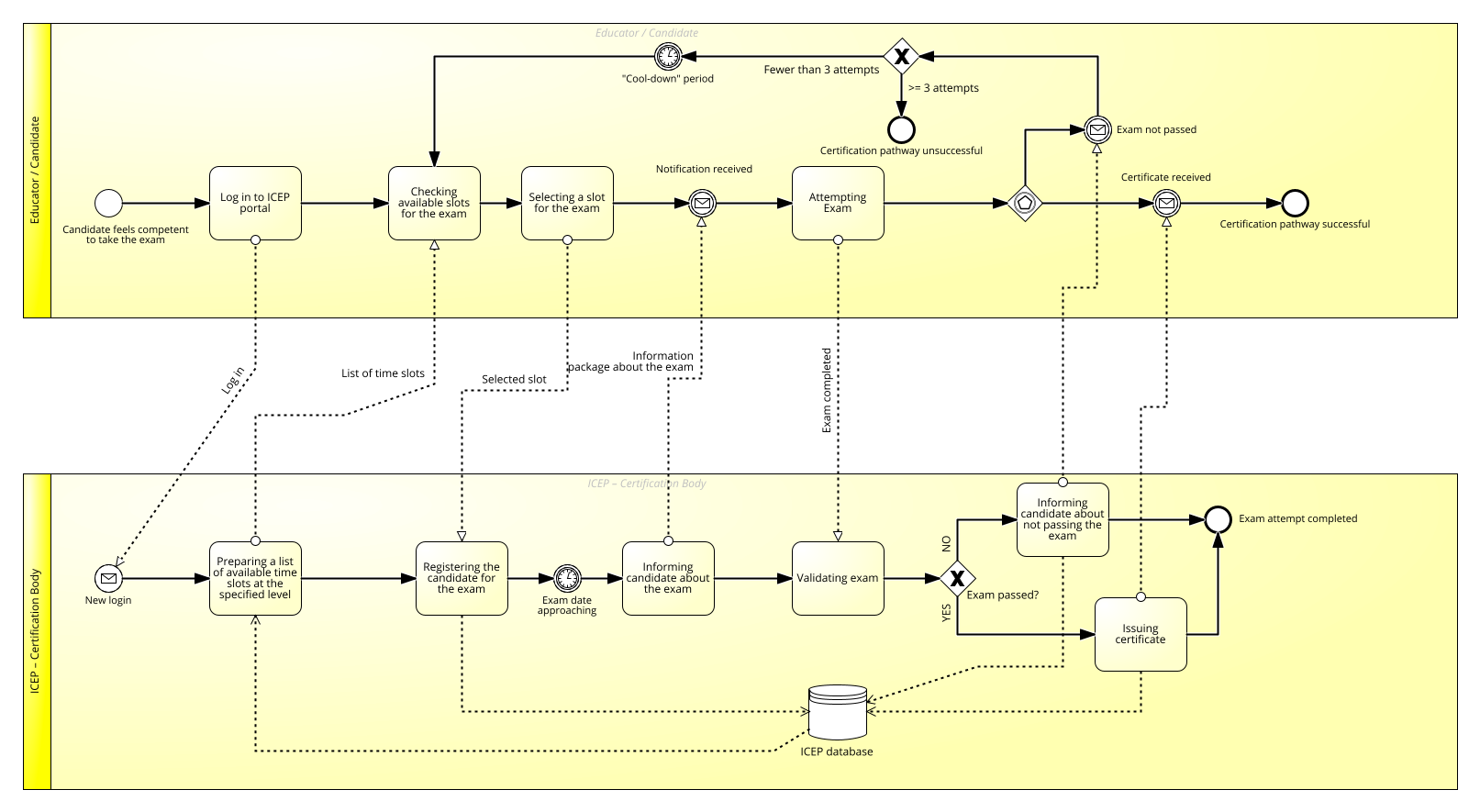 Figure 3: Examination and Certification Process between the Candidate and ICEP
Which track is right for me?
The two certification tracks address different professional needs and interests.
Track A – AI-Enhanced Teaching (WITH AI) is intended for teachers who want to use AI in teaching and learning in a pedagogically meaningful, safe, and professionally responsible way. In the Certification Pathway Design, this is illustrated through Maja Novak, a secondary school teacher who already experiments with generative AI for lesson preparation, differentiated materials, classroom activities, and formative feedback. Her main goal is to move from experimental use of AI towards more informed and reflective professional practice.
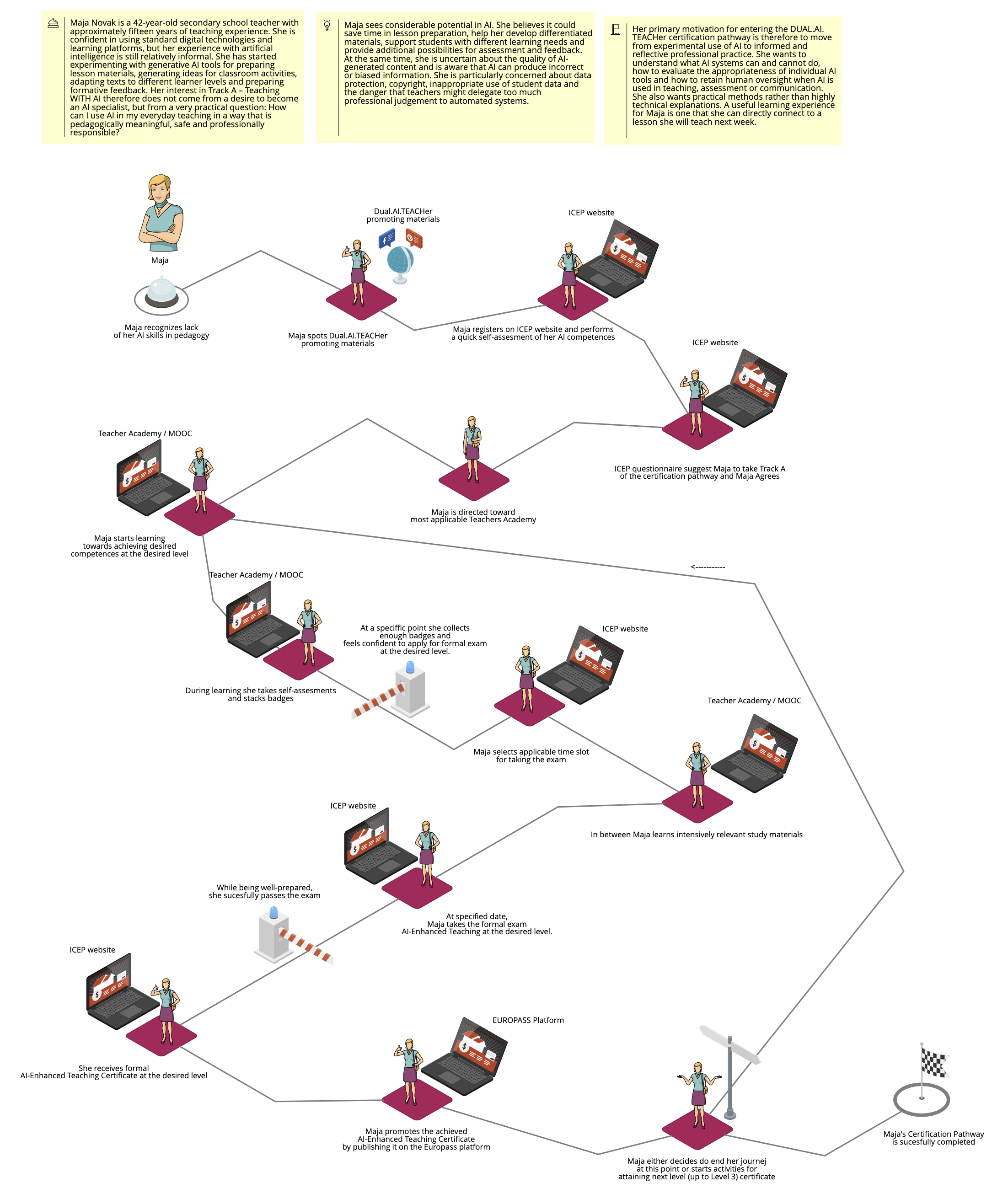 Figure 4: Candidate Journey – Track A: AI-Enhanced Teaching
Track B – AI Literacy (ABOUT AI) is intended for teachers who want to strengthen their own and their learners’ understanding of AI concepts, limitations, risks, and responsible use. This is illustrated through Luka Horvat, an upper-secondary teacher who wants to help students become critical, informed, and responsible users of AI, with particular attention to issues such as misinformation, bias, privacy, transparency, data use, human agency, and the social impact of AI.
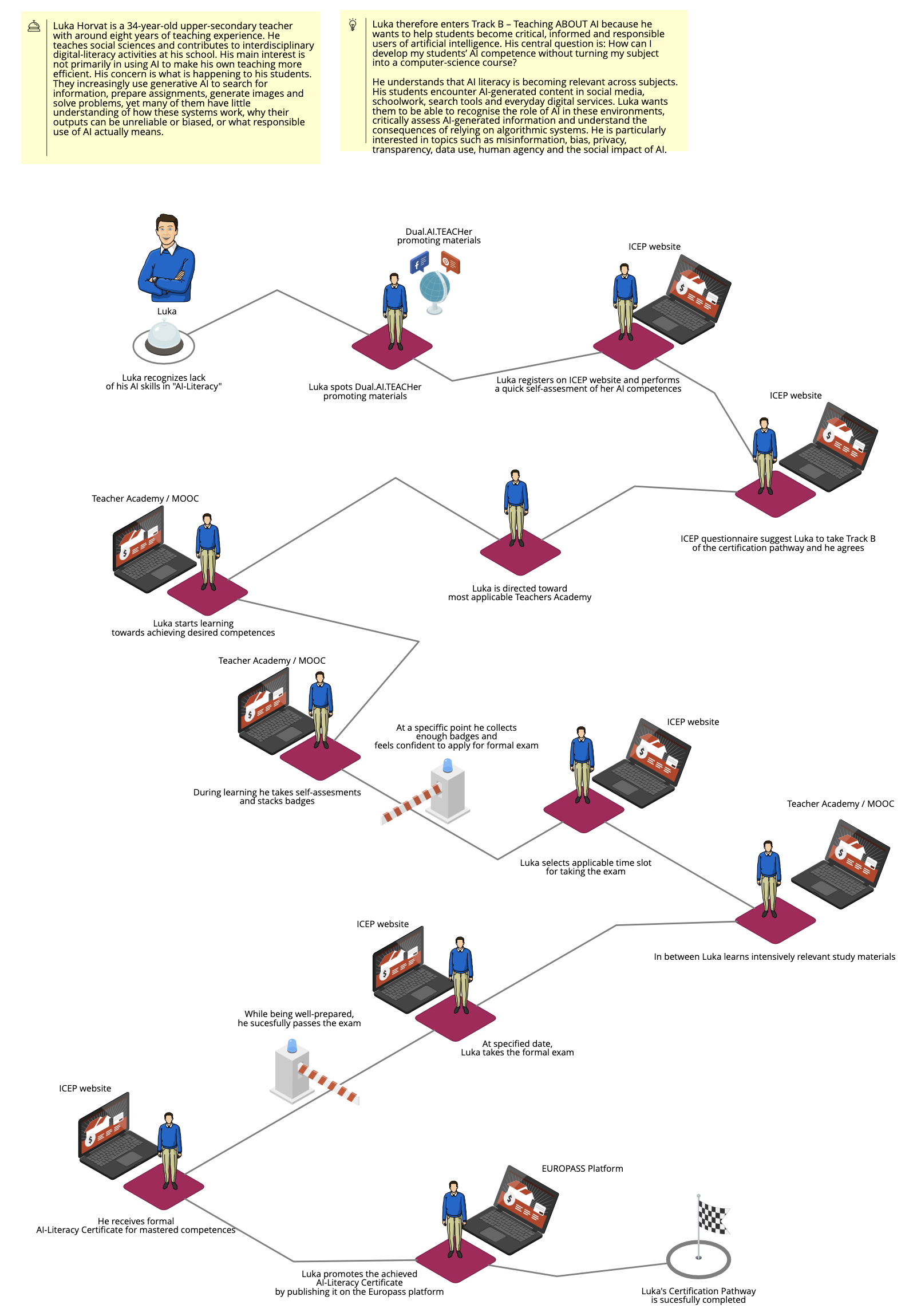
Figure 5: Candidate Journey – Track B: AI Literacy
Candidates may pursue either one track or both tracks, depending on their prior knowledge, professional role, and development needs. A preliminary self-assessment supports the selection of the most appropriate pathway.
Credentialing and Recognition
Upon successful completion of the assessment, candidates receive a digital certificate for the completed certification track.
The certification model includes:
- Issuance: Digital certificate following successful assessment
- Validity: 5 years from the date of issue
- Certification records: Maintained by ICEP in a central database
- Scope: Separate certification for Track A and Track B; candidates completing both tracks receive both credentials
The certification is intended to support the recognition of teachers’ AI-related competencies and their continuing professional development. It is also intended to support the recognition and portability of these competences across European contexts.
More Information
Further details on the certification structure, candidate journey, assessment criteria, examination procedure, roles and responsibilities, pilot validation, and sustainability are provided in the full DUAL.AI.TEACHer Certification Pathway Design document.
4.2 Micro-Credentials (ICEP)
The Micro-Credentials
Micro credentials are short, focused qualifications that certify specific learning outcomes and skills axquired through brief training or courses.
- Short-term learning - Completed in hours, days, or weeks rather than years.
- Competency-based - Focused on a single, well-defined skill set or subject (e.g., data analysis or project management).
- Verifiable proof - Delivered via secure digital badges or certificates containing metadata about what was learned.
- Flexibility - Allows fast upskilling or retraining without long-term financial commitments.
- Employability - Provides employers with transparent, easily verifiable proof of practical competencies.
- Stackability - Can often be combined or "stacked" over time to count toward larger qualifications or degrees
The Micro-Credentials & Certification Architecture
The certification strategy in DUAL.AI.TEACHer establishes a formal, European-wide mechanism for validating teachers' AI competencies.
Dual Certification Pathways:
-
Pathway A - AI-Enhanced Pedagogy: Validates competence in using AI tools for lesson design, adaptive instruction, automated assessment, and workflow optimization.
-
Pathway B - AI Literacy & Civic Education: Validates competence in teaching students computational thinking, algorithmic bias, data privacy, and ethical AI citizenship.
Structural Framework & Alignment:
-
Managing Body: Led by ICEP (Institute of European Certification of Personnel), an accredited SNAS / ISO 17024 certificaton and qualification body.
-
Standards Alignment: Mapped to DigCompEdu (for digital teaching competence), EntreComp (for innovation), Universal Design for Learning (UDL), ESCO, EQF, and EUROPASS Digital Credentials guidelines.
-
Target Audience: Reaches 400+ pre-service and in-service educators during the project lifetime.
Technical Architecture & Credentialing Process:
-
Digital Badges: Module completion on the WP3 MOOC automatically issues open digital badges for individual micro-competences (e.g., Ethical AI Use, Prompt Engineering, Adaptive Assessment). These can be easily shared on professional networks like LinkedIn, providing verifiable proof of skills.
-
Secure Assessment & Validation: Candidates complete a standardized, remotely monitored digital examination (30 multiple-choice questions) hosted on ICEP’s digital secured platform (
competenceinstitute.com). Candidates receive up to two exam attempts. The online certification will be offer at the end of the whole course as a assessment tool to verify all knowledge and skills they have learned and improved throughout the whole course consists of all learning modules/chapters/paths, and then verify them through a international certification examination. -
Portable EU Certification: Successful completion grants formal digital certificates and micro-credentials valid for 5 years across the EU. Credentials can be exported directly to EUROPASS profile portfolios and LinkedIn.